Could prehistoric wolves walk the earth again?
By Magali Reinert - Published on
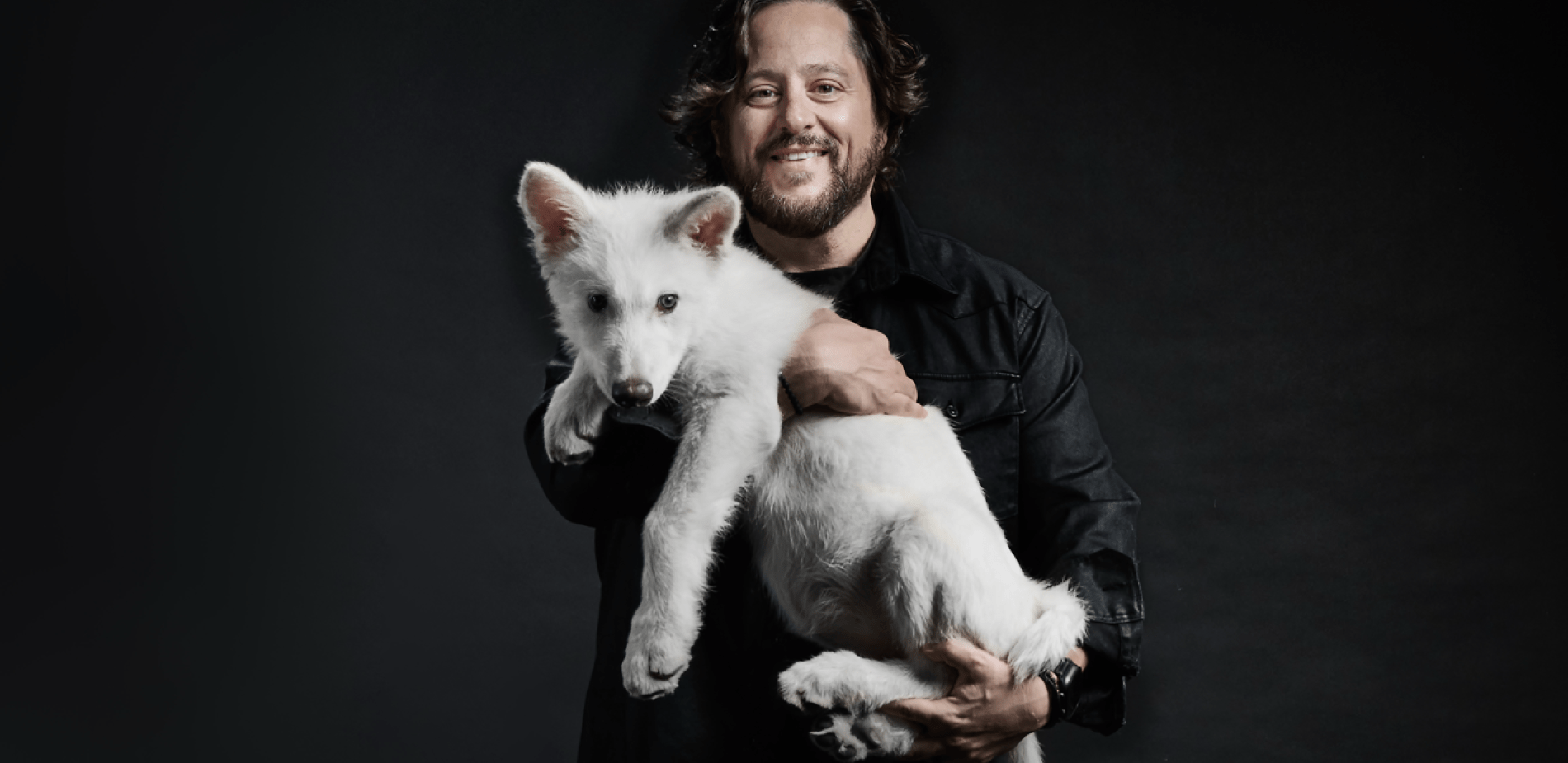
In 2025, three wolves resembling a species extinct for 10,000 years emerged from the laboratories of Colossal Biosciences. Does this mean humans now possess the knowledge to reconstruct biodiversity by bringing back extinct species? This is the ambition of de-extinction — and the goal openly promoted by the American firm, which is as adept at marketing as it is at biotechnology. Yet the idea of recreating wildlife such as dire wolves, dodos or mammoths does not hold up under closer scrutiny.
Colossal Biosciences: prophets of de-extinction
The corporate identity
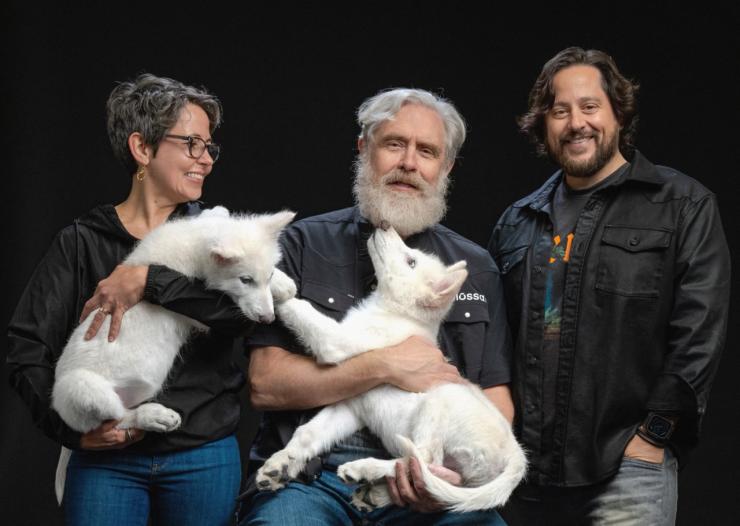
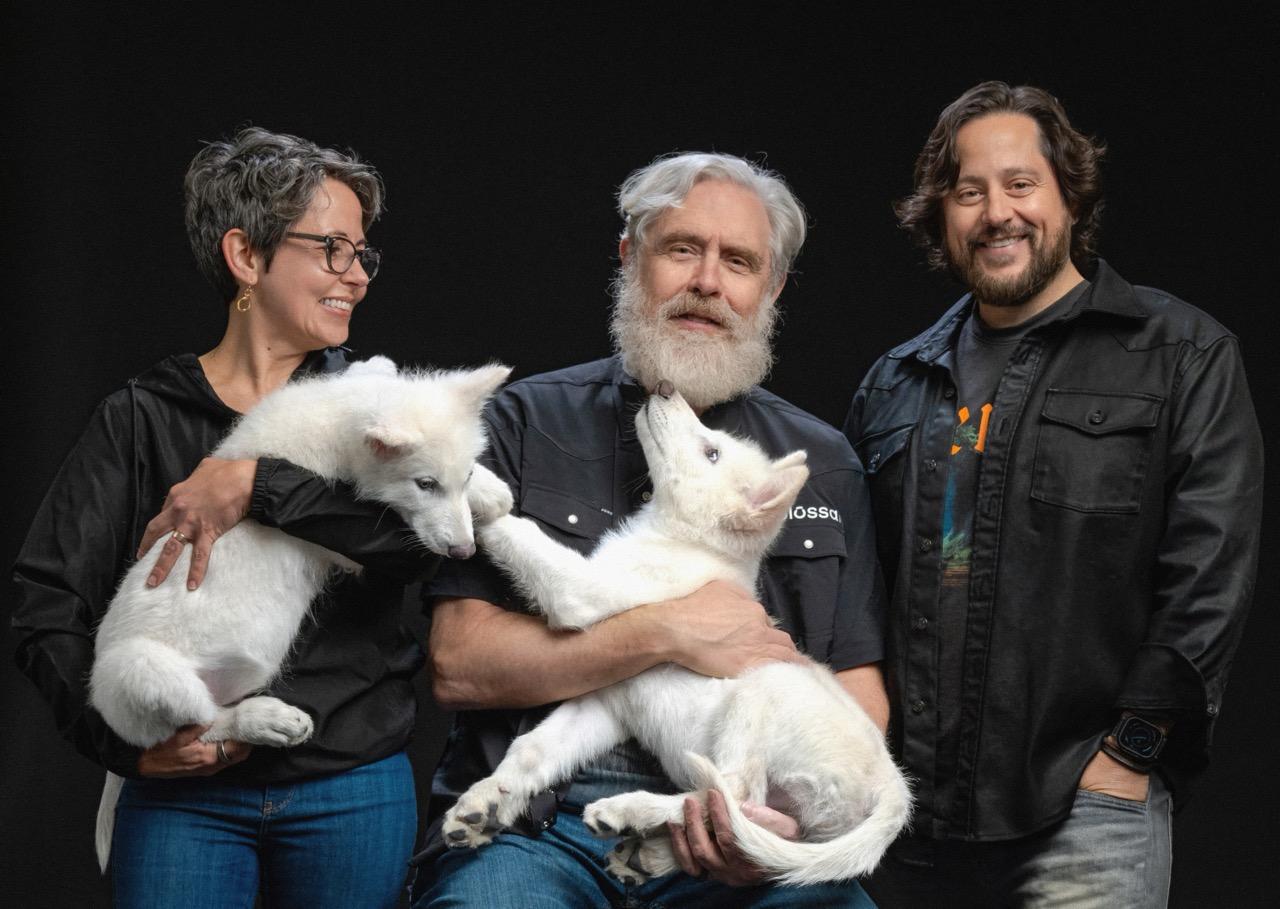
- Colossal Biosciences: established in Texas in 2021.
- Founders: George Church, geneticist at Harvard Medical School, and Ben Lamm, billionaire entrepreneur
- Field: a genetic engineering firm dedicated to “addressing the enormous challenge of species extinction”.
- Funding: raised $435 million, with a market valuation of $10.2 billion (January 2025).
Colossal Biosciences claims it is “restoring the past, preserving the present, and safeguarding the future.” Its approach involves reintroducing apex predators such as dire wolves or megaherbivores like mammoths to help rehabilitate degraded or lost ecosystems. The process relies on recovering and decoding the DNA of extinct species, editing the genomes of living species who resemble their ancestors as closely as possible, and developing gestation in artificial wombs to avoid the risks of using surrogate mothers. To appeal to the public and attract investors, Colossal emphasises charismatic “star” species, turning them into ambassadors for conservation.
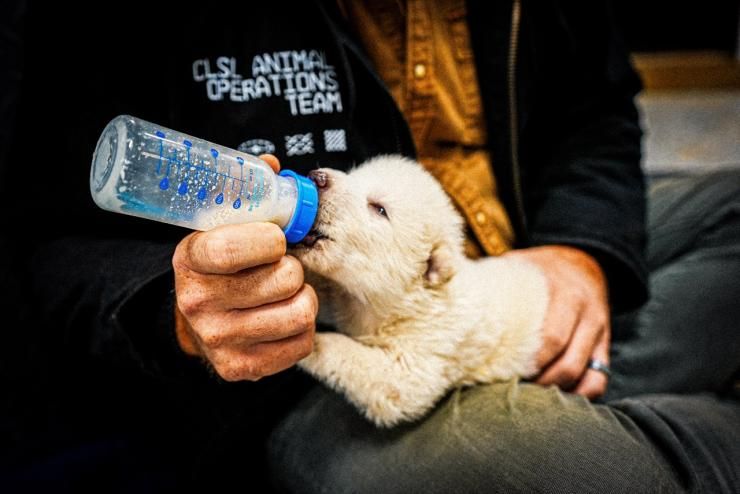
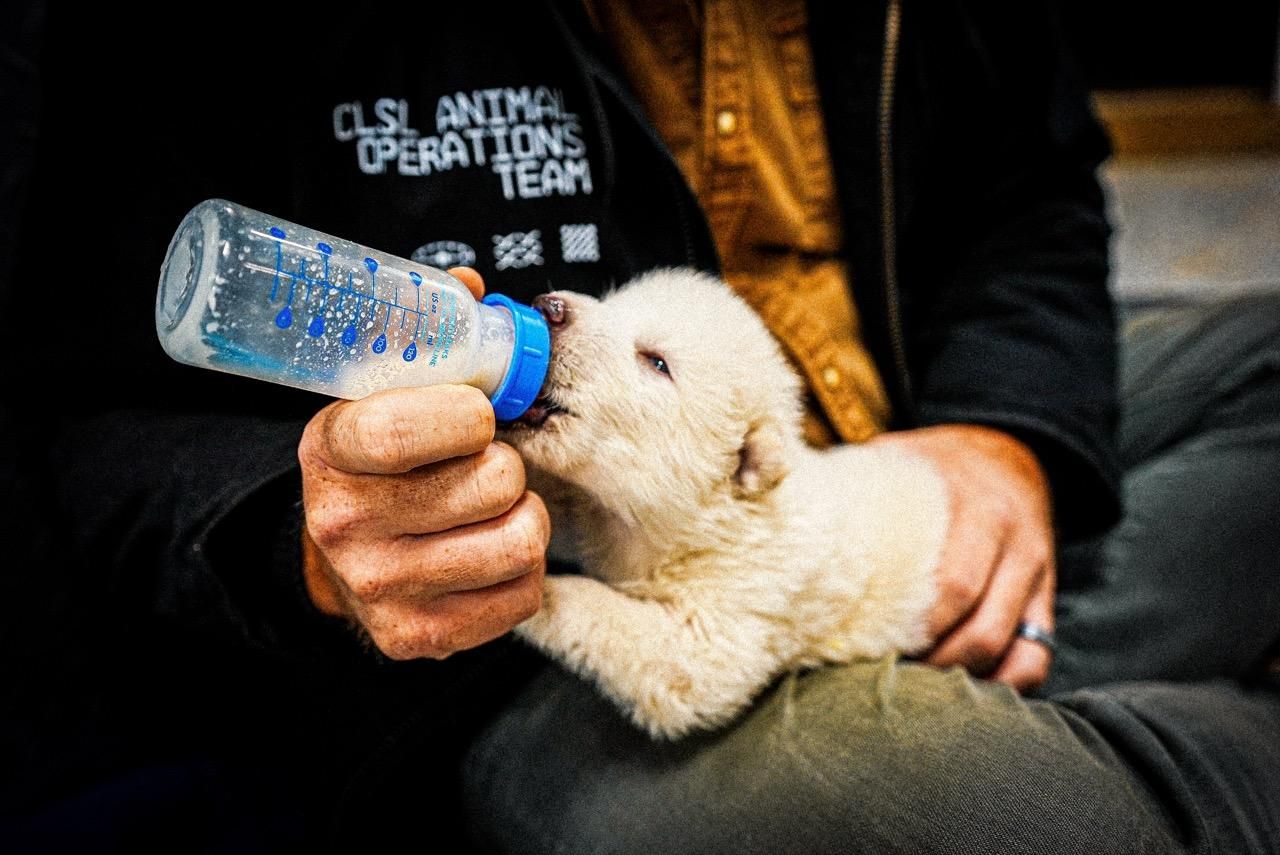
Born in a laboratory and suckled by domestic dogs, the three wolves live in a fenced enclosure, seemingly destined to remain in captivity. In the wild, these social animals learn from their pack… but who will teach these wolves to survive in the outside world?
How did we end up here?
1987 First patent filed on a genetically modified animal — an oyster grown in the United States
1996 Birth of Dolly the sheep, the first cloned mammal, in the United Kingdom (died 2003)
2009 In Spain, a bucardo — a species of ibex extinct about ten years earlier — is brought to life through cloning. Malformed, the newborn dies a few minutes after birth.
2012 Development of the CRISPR-Cas9 gene-editing technique and the launch of the first de-extinction project — a mammoth — by George Church and American technophile Stewart Brand, founder of the NGO Revive & Restore
2014 Establishment of a De-extinction Task Force within the International Union for Conservation of Nature (IUCN)
2015 Mammoth genome sequenced
2021 Colossal Biosciences is founded, with an initial capital of 15 million dollars
2025 Colossal Biosciences is valued at more than 10 billion dollars on the stock market.
Colossal’s first two “creations” leave the lab: the woolly mouse and the dire wolf.
2028 Colossal Biosciences announces the birth year of the first mammoth…
2032... and of the first dodo
De-extinction: a how-to guide
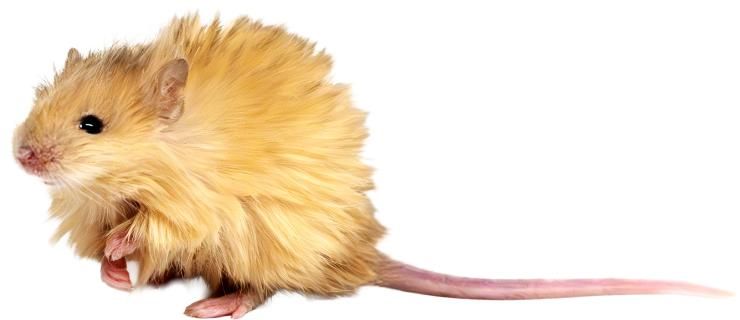
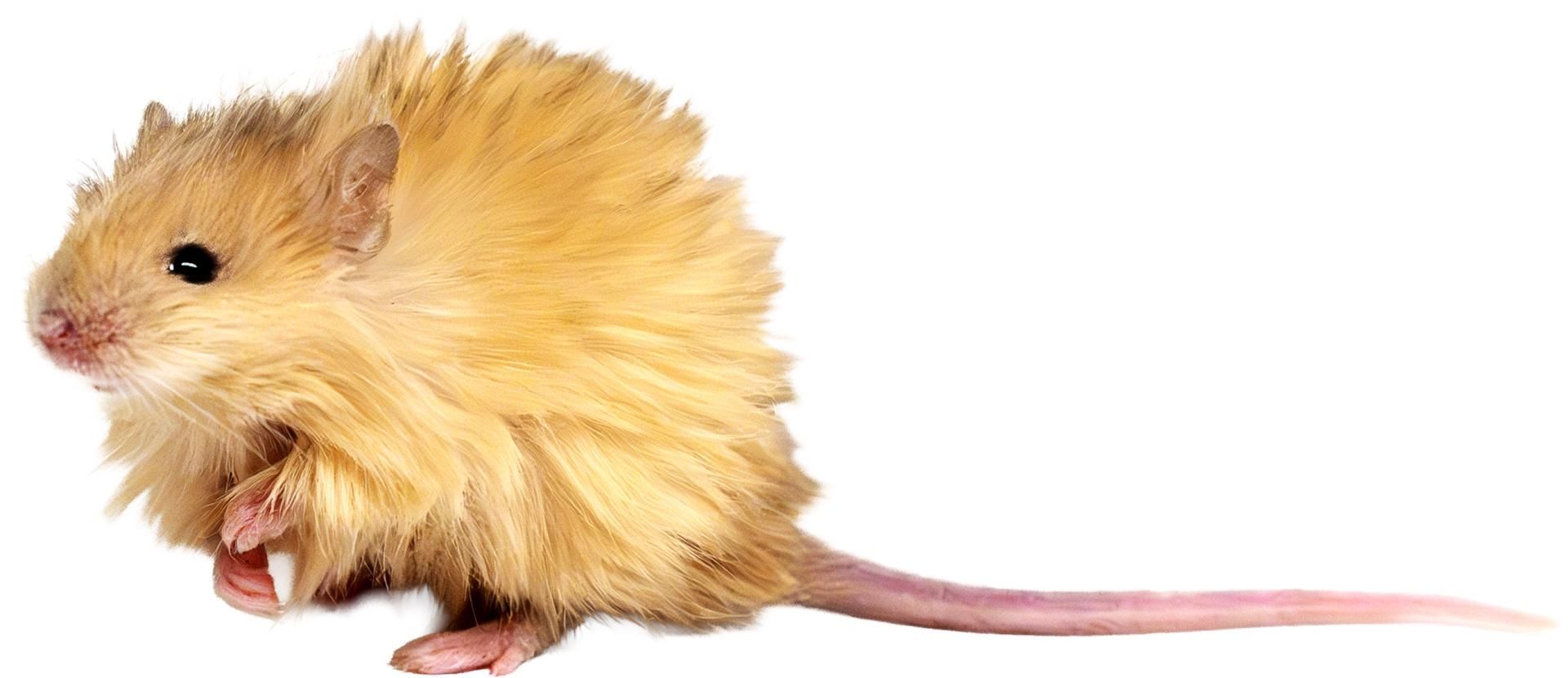
Colossal Biosciences’ geneticists brought the dire wolf (Canis dirus) back to life by editing the genome of its nearest living relative, the grey wolf (Canis lupus). They compared the genomes of the two species using dire wolf fossil DNA obtained from a 13,000-year-old tooth unearthed in Ohio and a 72,000-year-old skull recovered in Idaho. Synthetic versions of the fossil genes were then incorporated into the genome of a grey wolf using CRISPR-Cas9, a precise gene-editing method often referred to as “molecular scissors”. The animal produced is a hybrid, its genome largely identical to that of the grey wolf, with modifications limited to just fourteen genes.
Other approaches
Cloning: far from straightforward
Cloning — the process of inserting DNA into a surrogate mother’s oocyte — is a well-established technique. In de-extinction, however, no members of the extinct species exist, meaning a surrogate from a related species must be used, which greatly increases the risk of failure. The process also relies on the availability of living or frozen cells and is generally limited to species that have only recently gone extinct.
Back-breeding: reverse selection
By selecting specimens over successive generations, humans were able to domesticate wild species, producing animals that were tamer, yielded more milk or grew softer fur. Back-breeding follows the same principle, but in reverse. In the Netherlands, the TaurOs Programme seeks to recreate the morphological and genetic traits of the aurochs by crossbreeding hardy cattle breeds descended from this wild ancestor, which went extinct in the 17th century.
A wolf straight out of a TV drama?
A little of both. This wolf was created by Colossal Biosciences, modelled on the dire wolf — a species that roamed North America and Siberia around 100,000 years ago and went extinct roughly 10,000 years ago. In 2025, Colossal announced the birth of two male specimens, Remus and Romulus, and a female, Khaleesi, named after a character from the Game of Thrones saga.
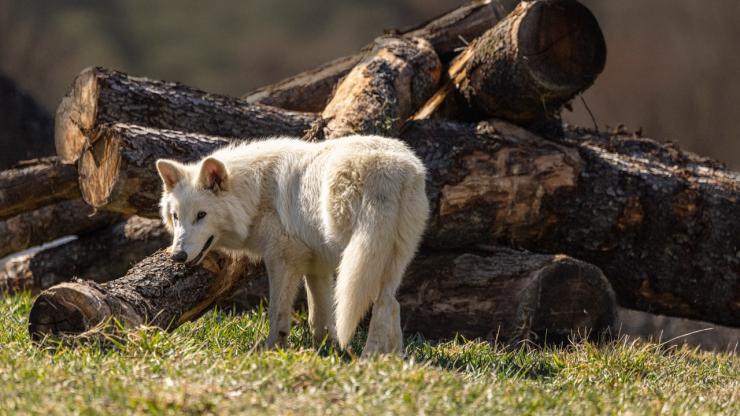
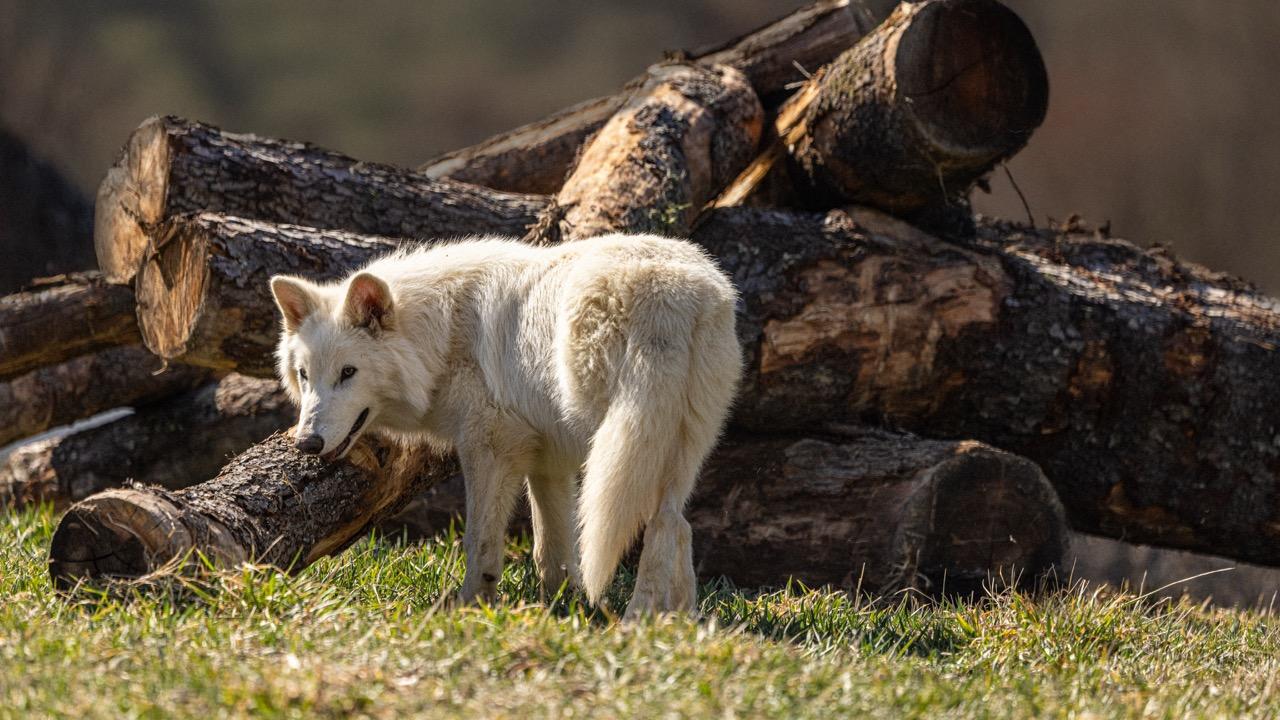
Its features:
- Its robust build — around sixty kilogrammes — was reconstructed using a synthetic copy of the extinct species’ genes.
- The white coat was a deliberate choice by Colossal Biosciences’ geneticists, referencing the wolf featured in Game of Thrones. In reality, the dire wolf likely had a grey or reddish coat.
- With a highly developed jaw, it would have preyed on large herbivores such as bison. Today, however, what use is such strength when coexistence between humans and wolves is already fraught?
- Because it was created through genome editing, the wolf can be patented and belongs to the company that produced it.
- Its coat is longer than that of the grey wolf, typical of an animal adapted to cold regions.
0.5% This is the genomic gap between the modern wolf and the dire wolf or between the Asian elephant and the woolly mammoth. It might seem small, but in reality, it’s vast: millions of DNA base pairs separate them.
Species poised for a comeback?
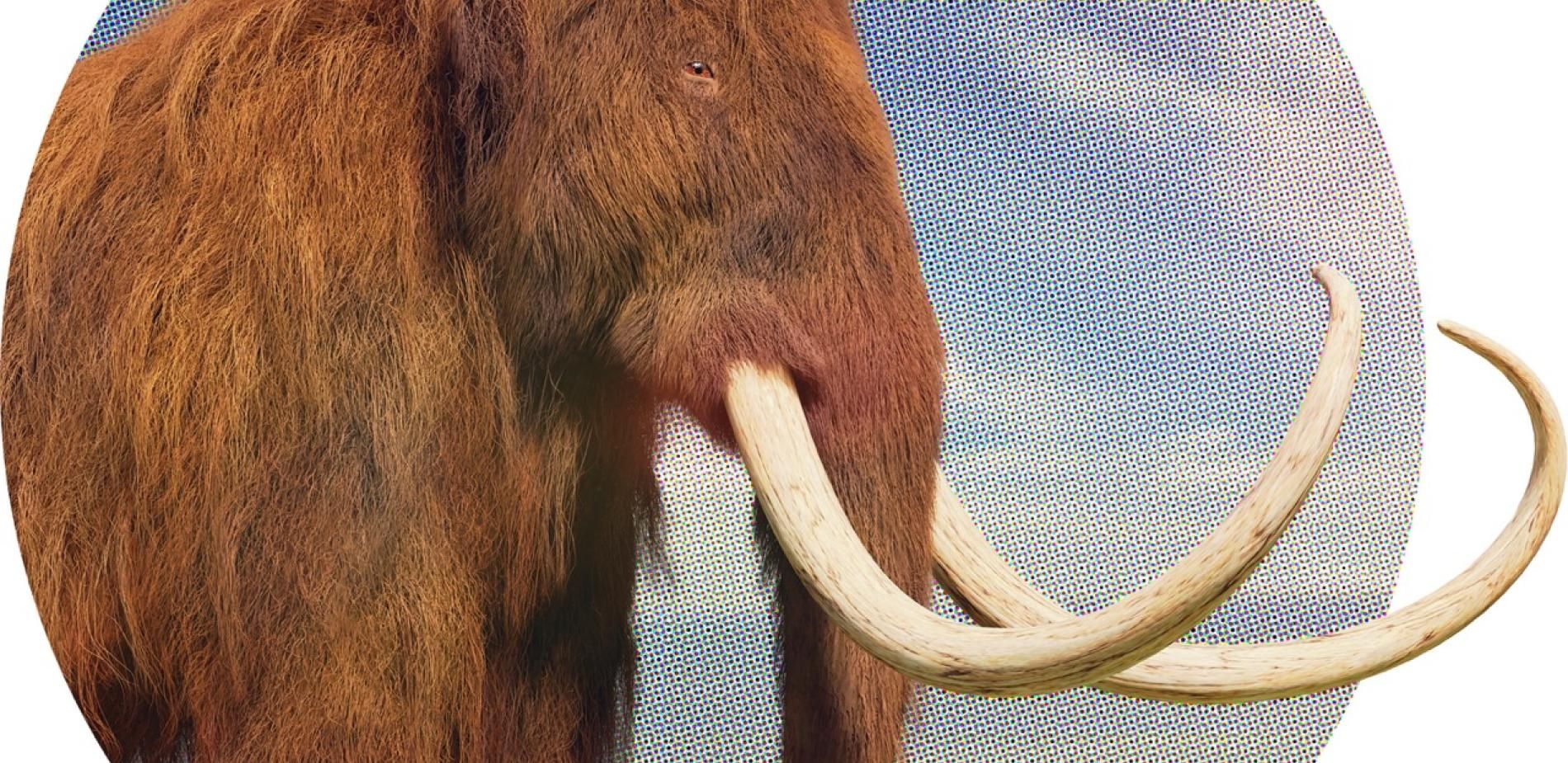
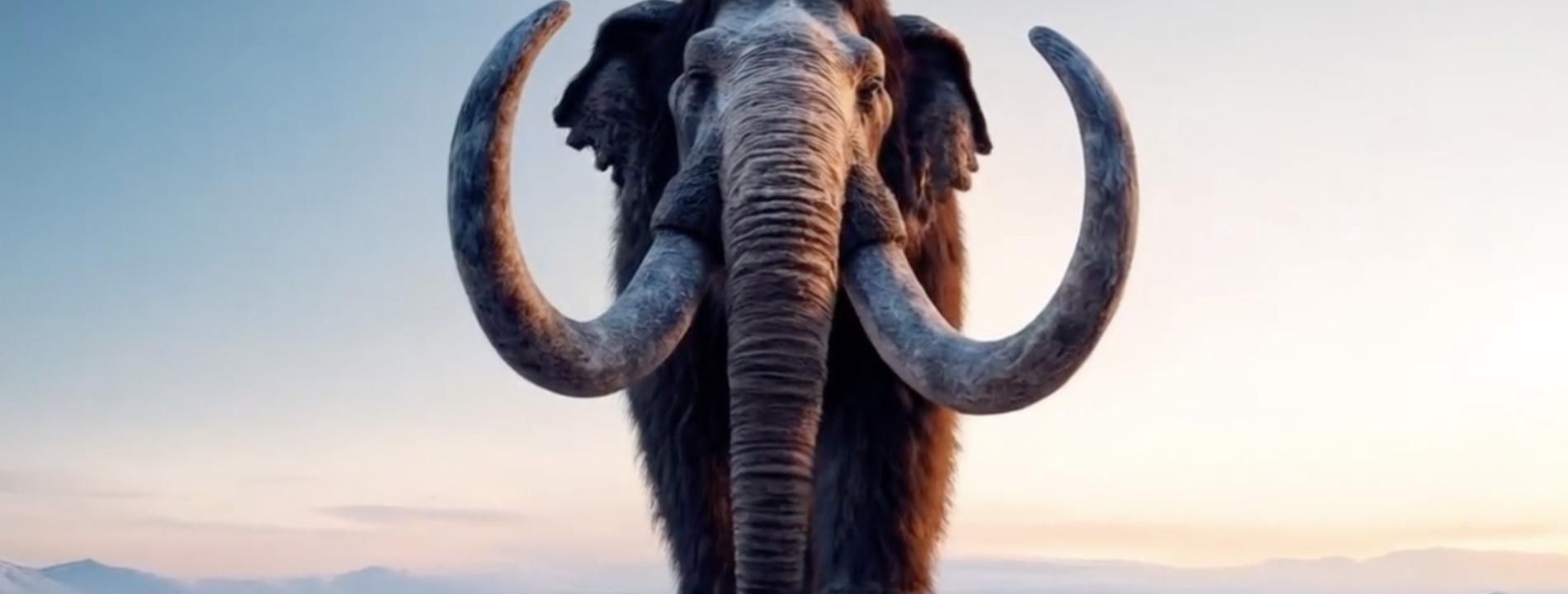
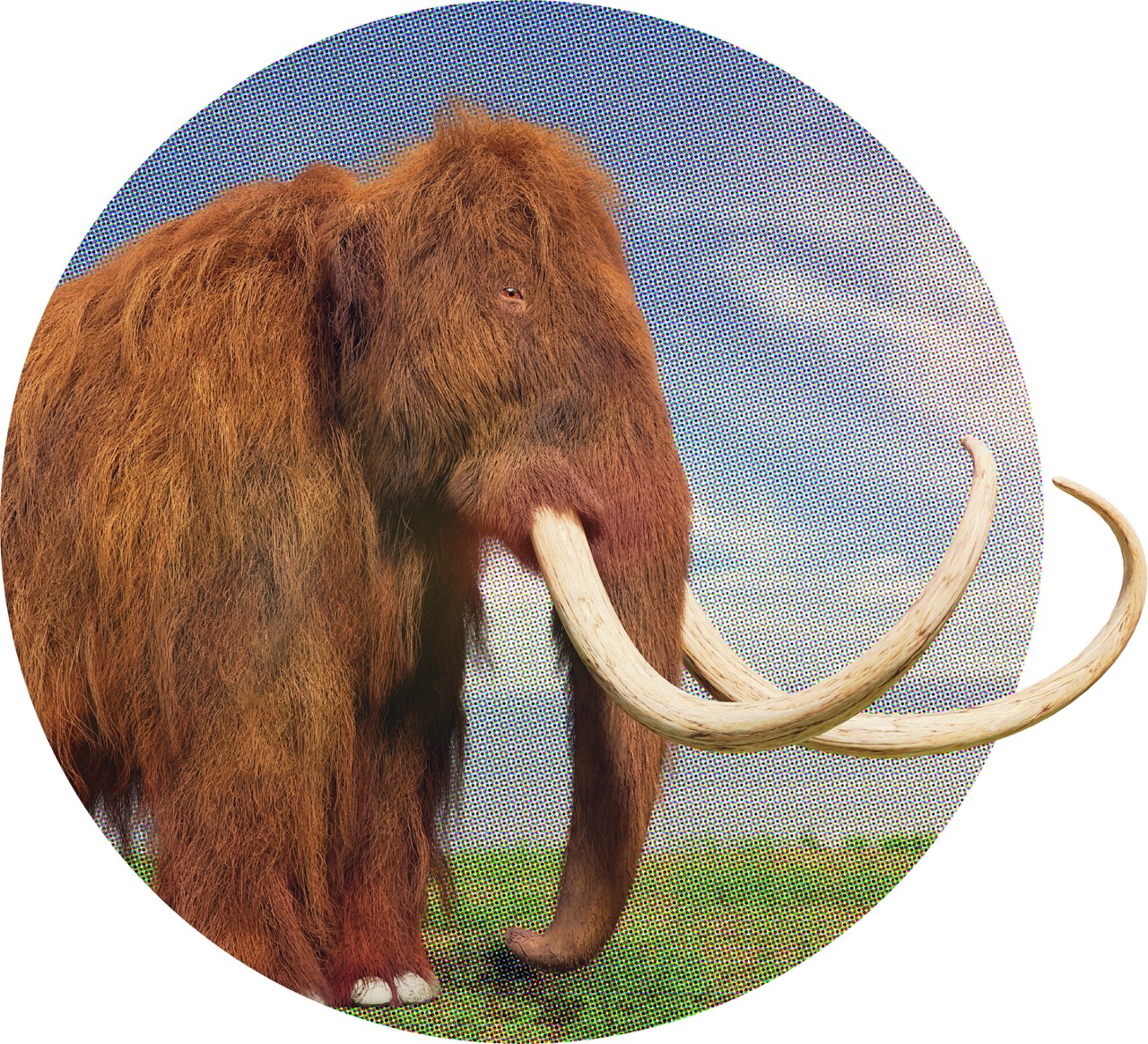
(click on the image) Mammoth - From the Asian elephant, its closest living relative, to the prehistoric pachyderm, Colossal Biosciences still has many milestones to reach by 2028, including the creation of a giant artificial uterus to carry the first embryo! 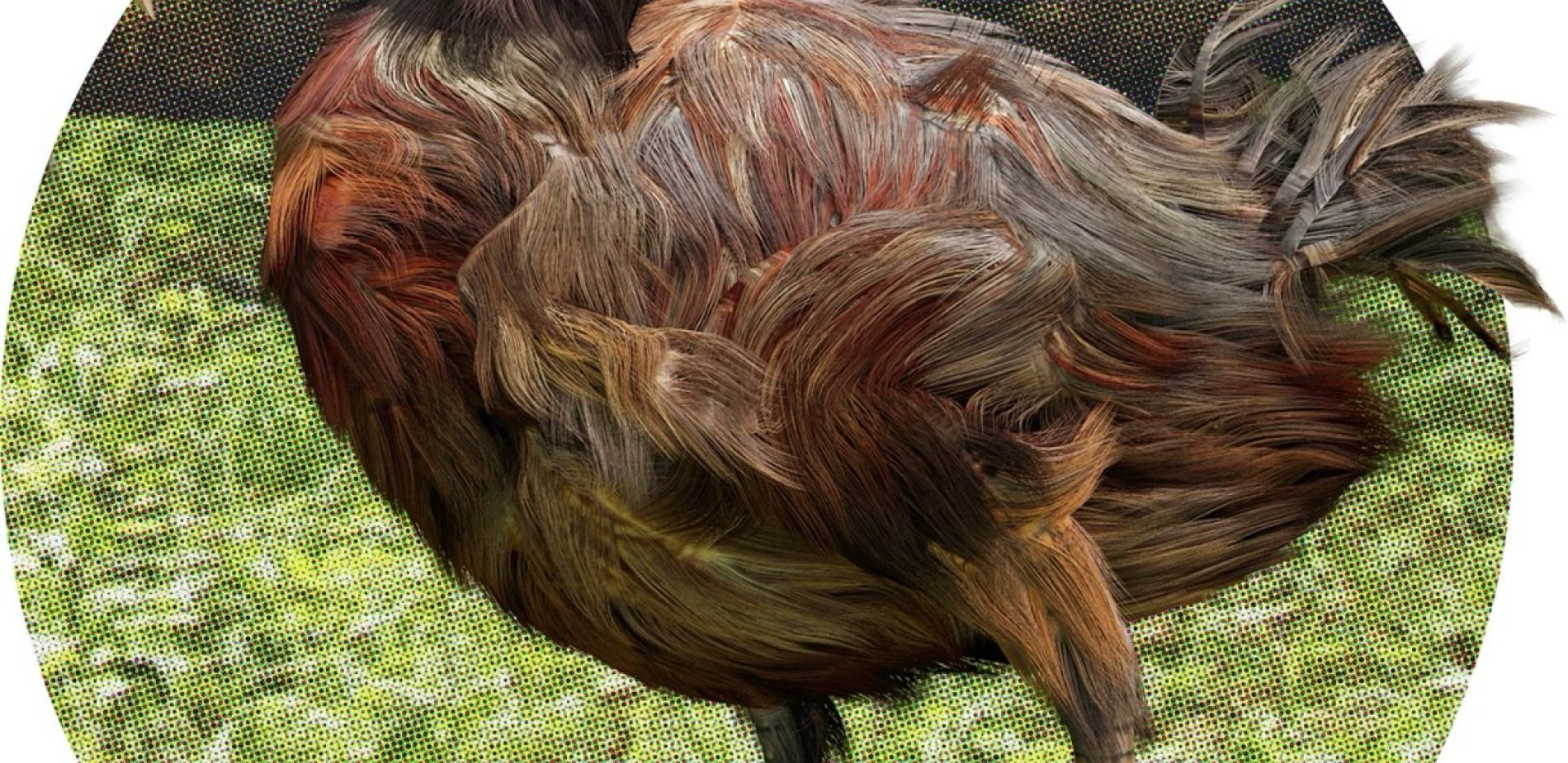
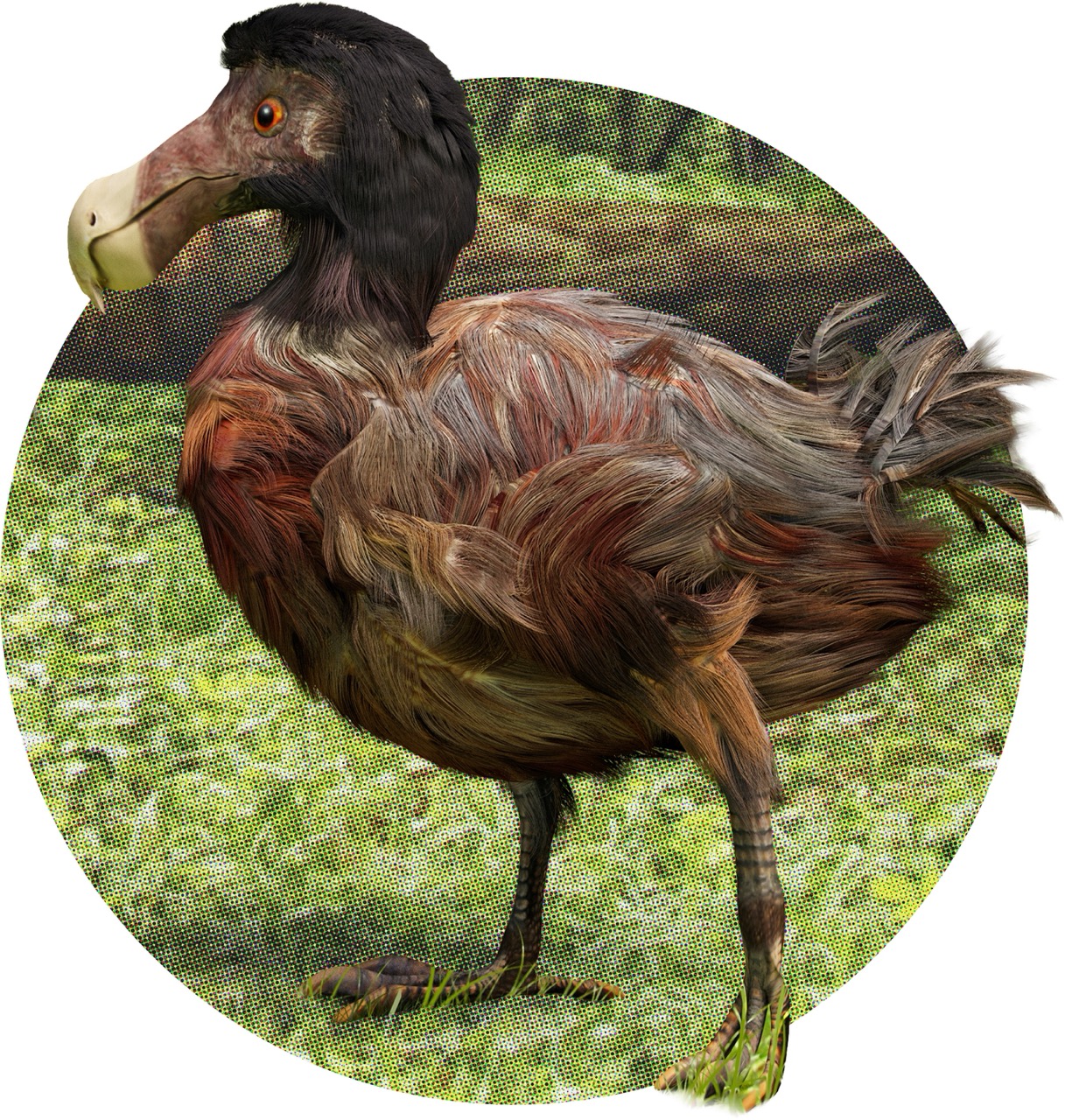
(click on the image) Dodo - In the 17th century, the arrival of European settlers, along with rats, dogs and pigs, drove the dodo to extinction on Mauritius. To bring it back today, scientists would first need a closely related species — and the Nicobar pigeon appears to be the most promising candidate. 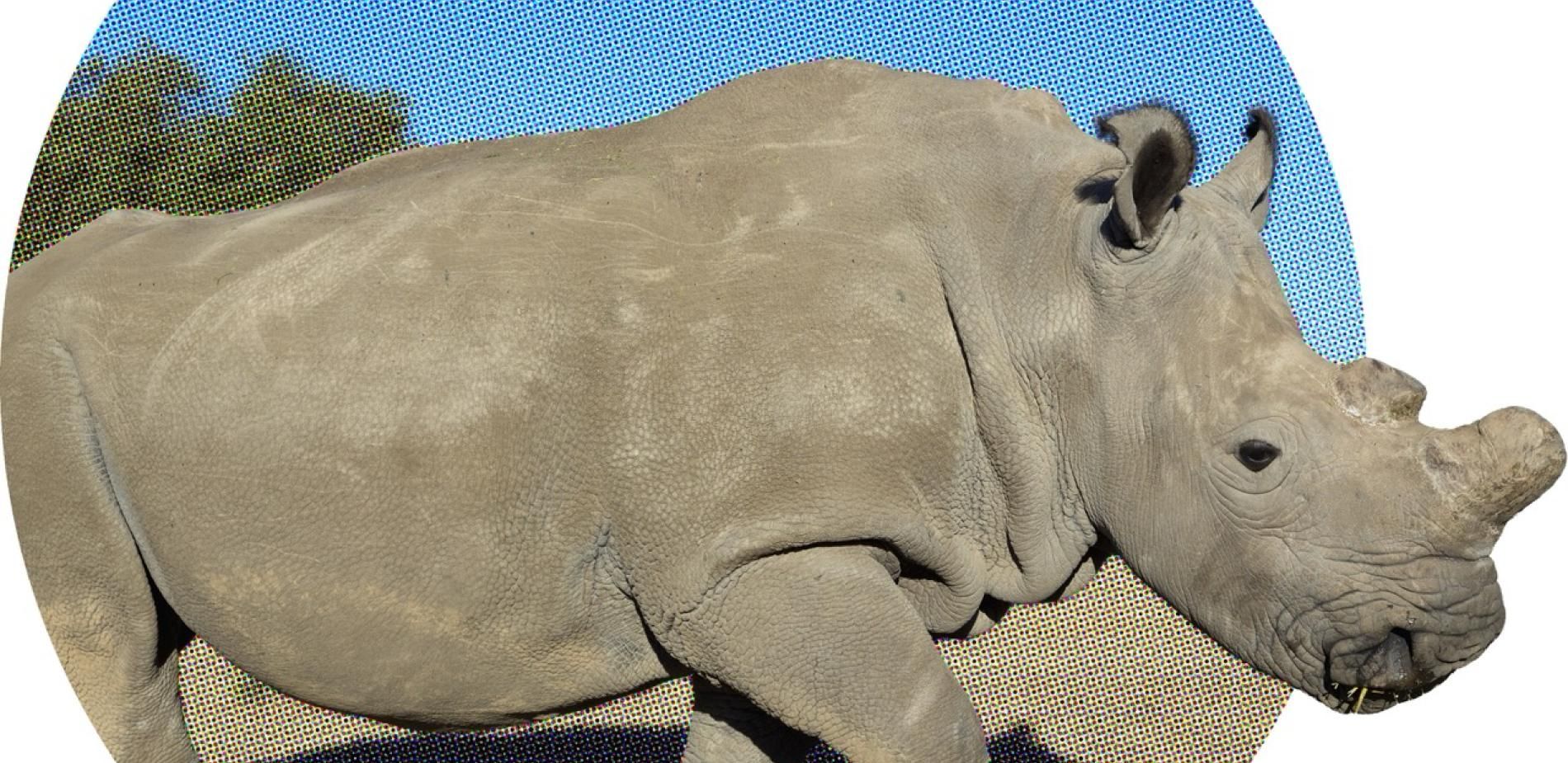
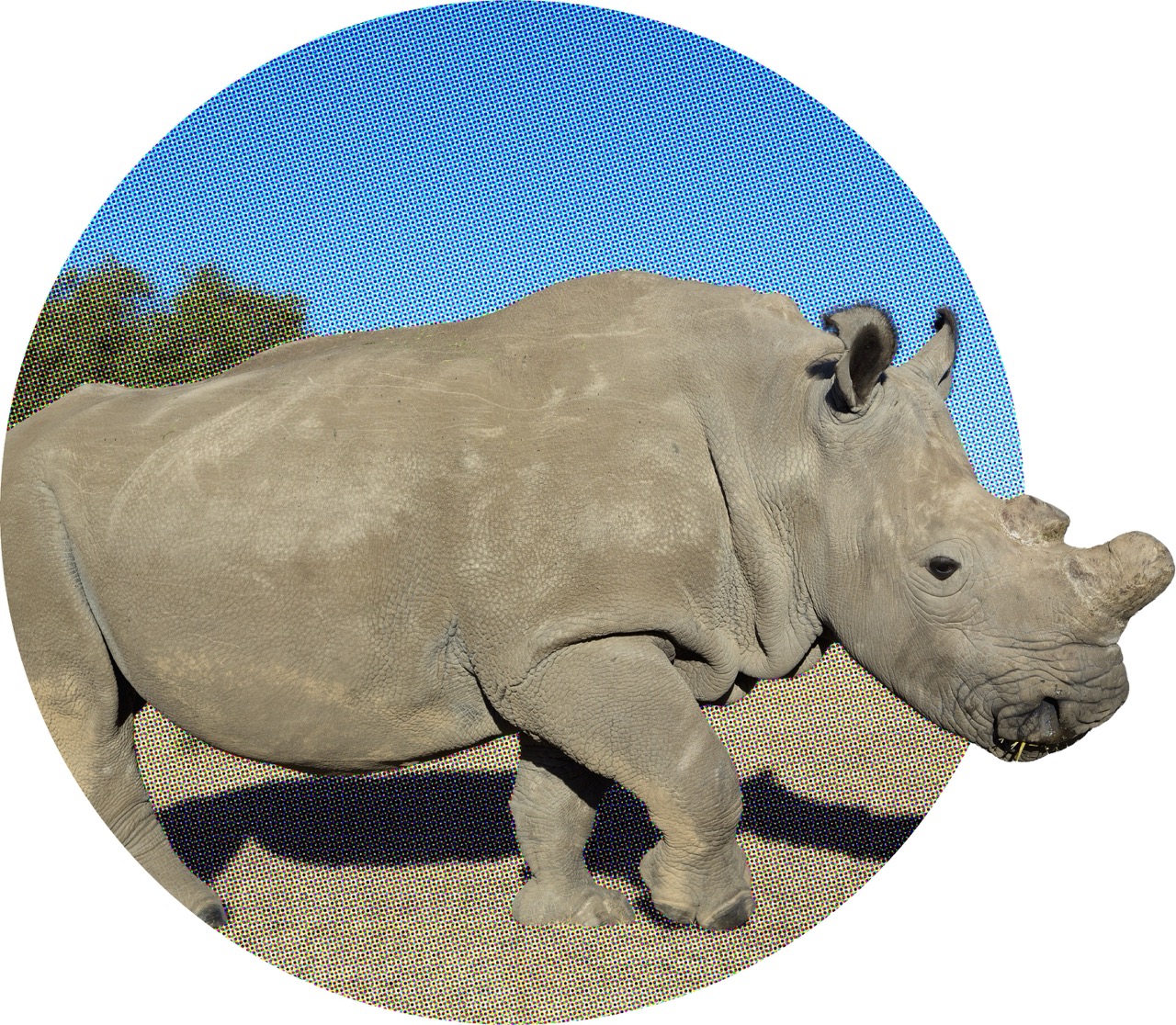
(click on the image) Northern white rhinoceros - The last two females of this subspecies, living in a Kenyan nature reserve, never produced offspring, and only their frozen embryos have been preserved. 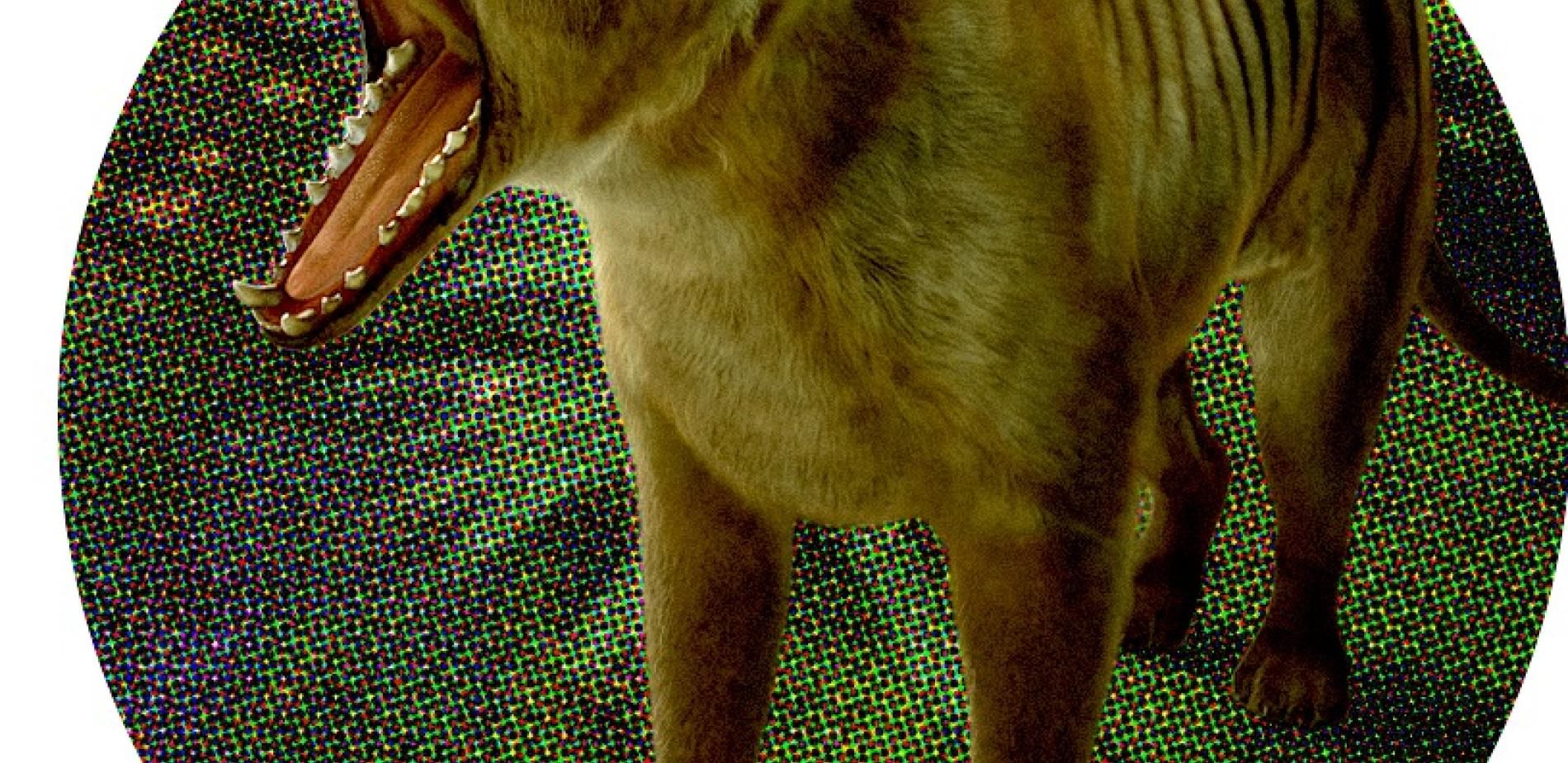
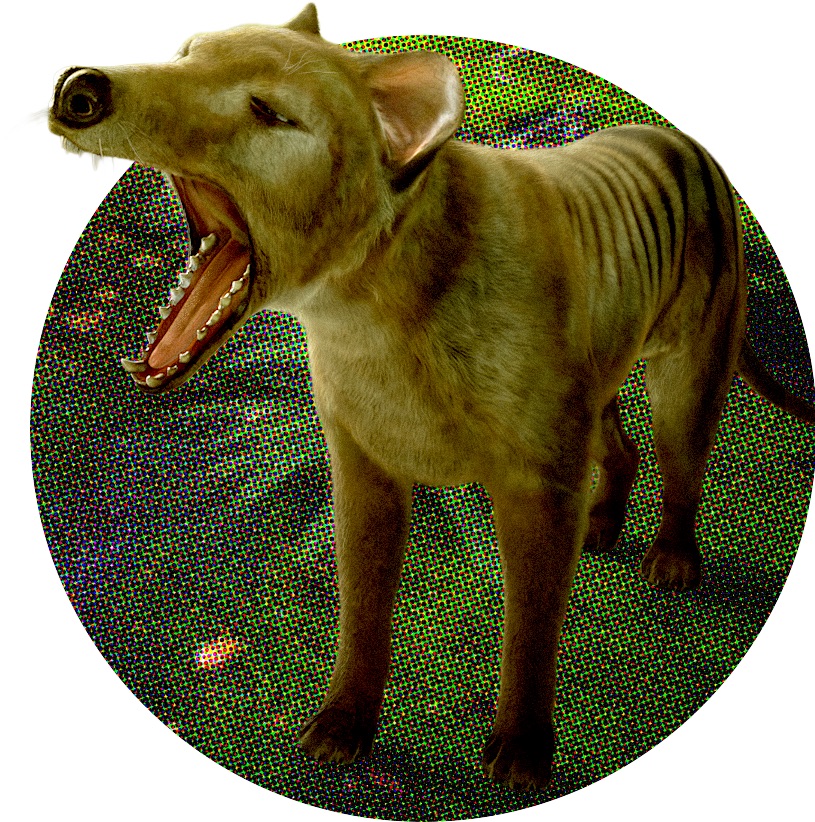
(click on the image) Thylacine - The first attempts at de-extinction by cloning in the early 2000s failed because the DNA was too degraded. Today, the University of Melbourne in Australia is collaborating with Colossal Biosciences to revive the largest carnivorous marsupial. 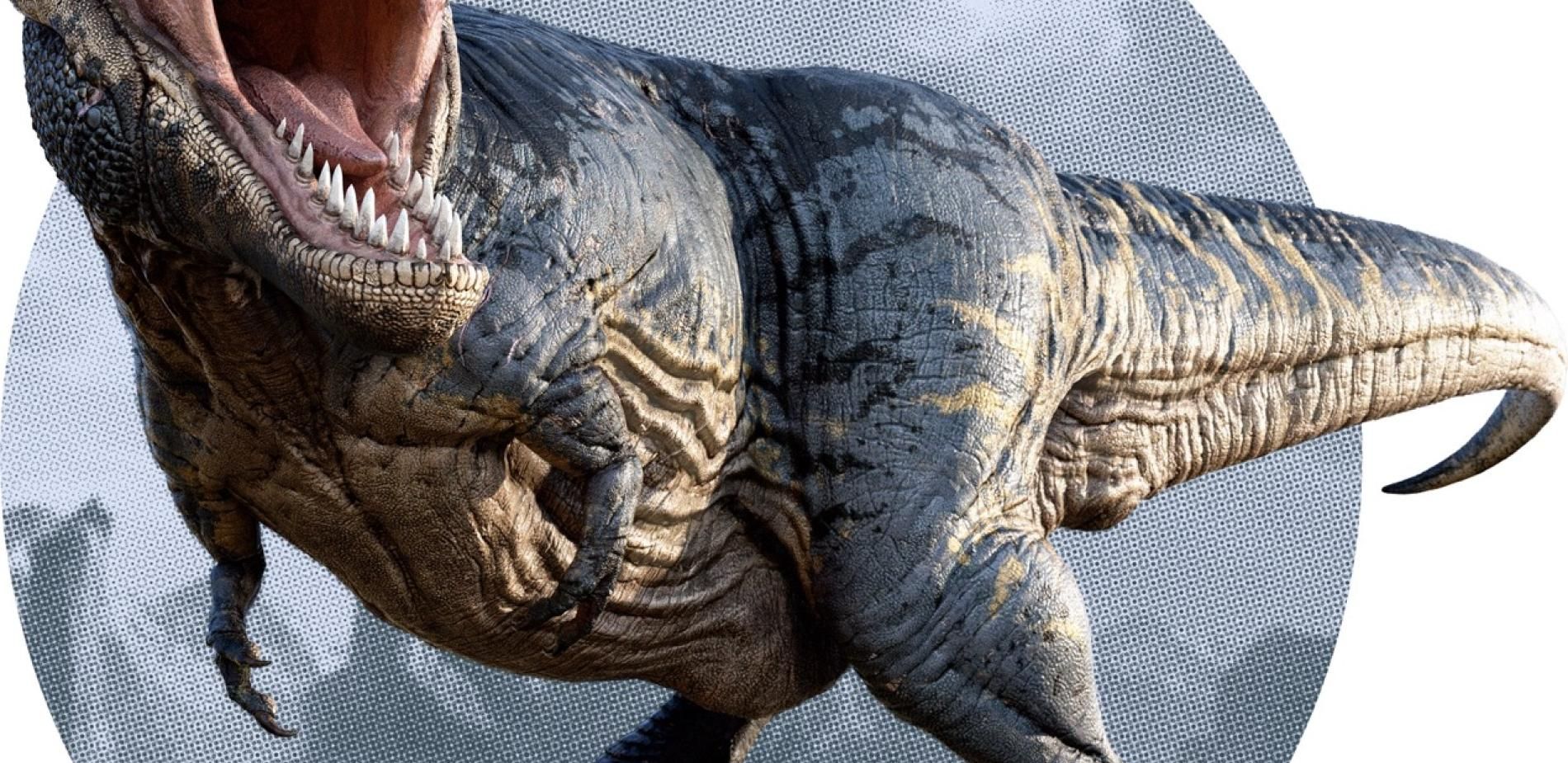
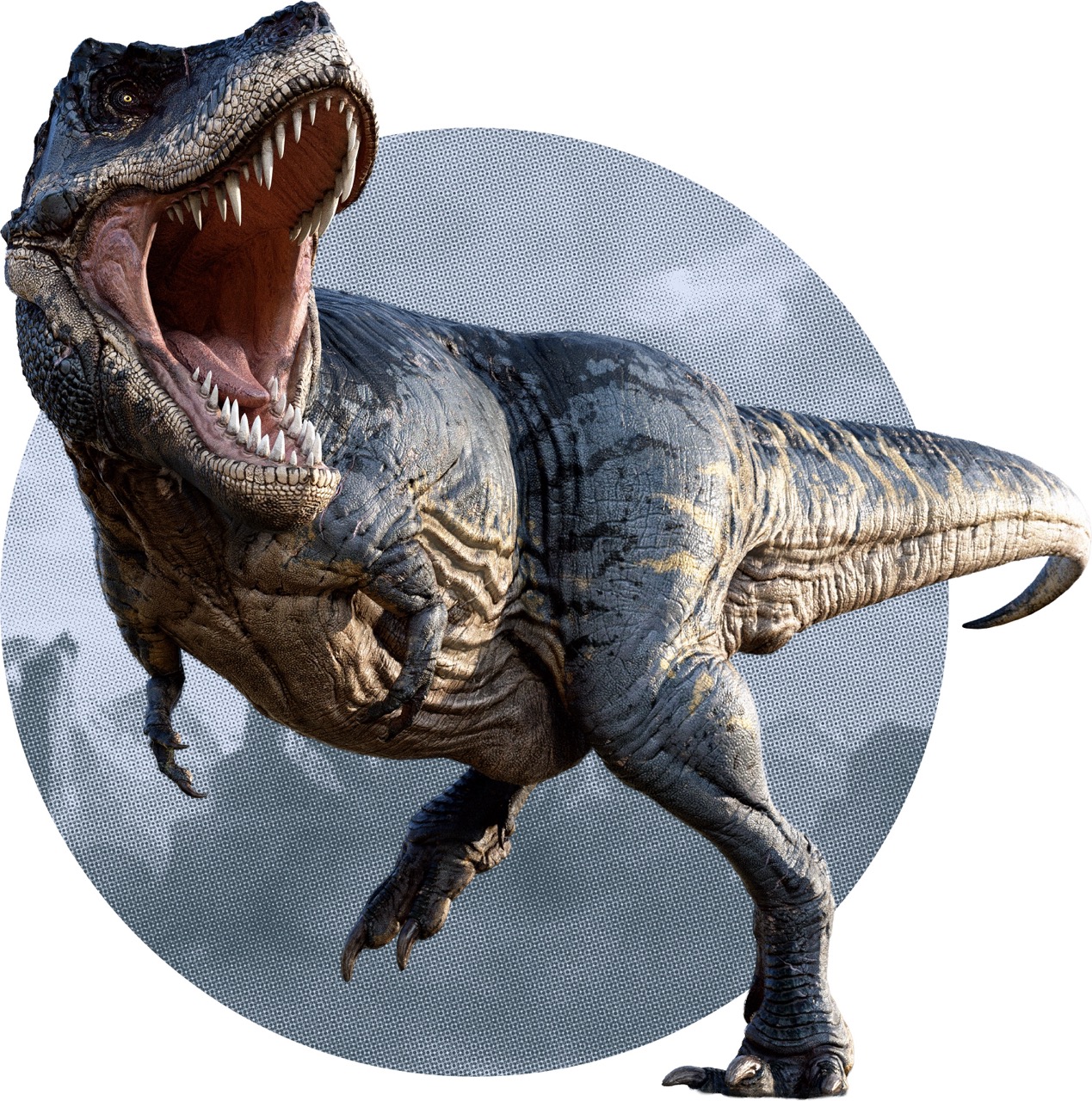
(click on the image) And dinosaurs? Jurassic Park will never become a reality. Dinosaurs disappeared more than 65 million years ago, and their DNA has long since vanished. The oldest DNA ever recovered is “only” about 2 million years old!
48,646 This is the number of species currently threatened with extinction, according to the International Union for Conservation of Nature (IUCN). Against this scale, the partial and costly de-extinction of a few iconic species can seem almost futile.
The false promises of de-extinction
Many scientists remain highly sceptical of the claims made by Colossal Biosciences. Here are some of their main arguments.
Reviving the dire wolf
“This is misleading: these chimaeras are merely genetically modified grey wolves made to resemble dire wolves, not the actual species that existed 10,000 years ago.” Jean-Baptiste Boulé, geneticist, National Museum of Natural History (MNHN)
Rebuilding a wild population
“The greatest misconception is thinking that producing a single viable organism completes the de-extinction process. In reality, the biggest scientific challenge lies in creating, from that one specimen, a viable population capable of interacting with its environment and fulfilling its ecological role. Once a species goes extinct, it is gone for good.” Alexandre Robert, ecologist, National Museum of Natural History (MNHN)
Restoring an ecosystem
It would be more effective to reintroduce existing species to restore their ecological roles. On the Siberian steppes, several animals have been used to recreate herbivore pressure and help stabilise the permafrost — just as a mammoth once did — including the Yakutian horse, a hardy Siberian breed.
Safeguarding biodiversity
While humans are driving the current mass extinction of species, experts stress that the real urgency is not reviving a few high-profile animals but protecting natural habitats — our best hope for preserving biodiversity.
And globally?
At the International Union for Conservation of Nature (IUCN) Congress in October 2025, delegates proposed a global moratorium on “the release of genetically modified organisms” into natural ecosystems, but it was narrowly rejected. A separate motion, stating that synthetic biology “is not to be seen to replace ongoing and future efforts to address biodiversity loss,” was approved by a wide majority.
The idea of bringing extinct species back to life holds strong appeal in the face of the “sixth mass extinction.” Yet even if successful, such efforts would have only a limited effect on preserving ecological diversity. More worrying still, they suggest that humanity can always repair the damage it causes. Creating genetically modified specimens also opens the door to patenting animals for the benefit of new “makers of life” — a relationship with wild species far removed from the changes needed to halt their decline.
If humans hope to protect nature, they must relearn how to coexist with it — with the humility of those who have failed to grasp the full scope of the damage they have caused.