Young Homo sapiens emerge from the shadows
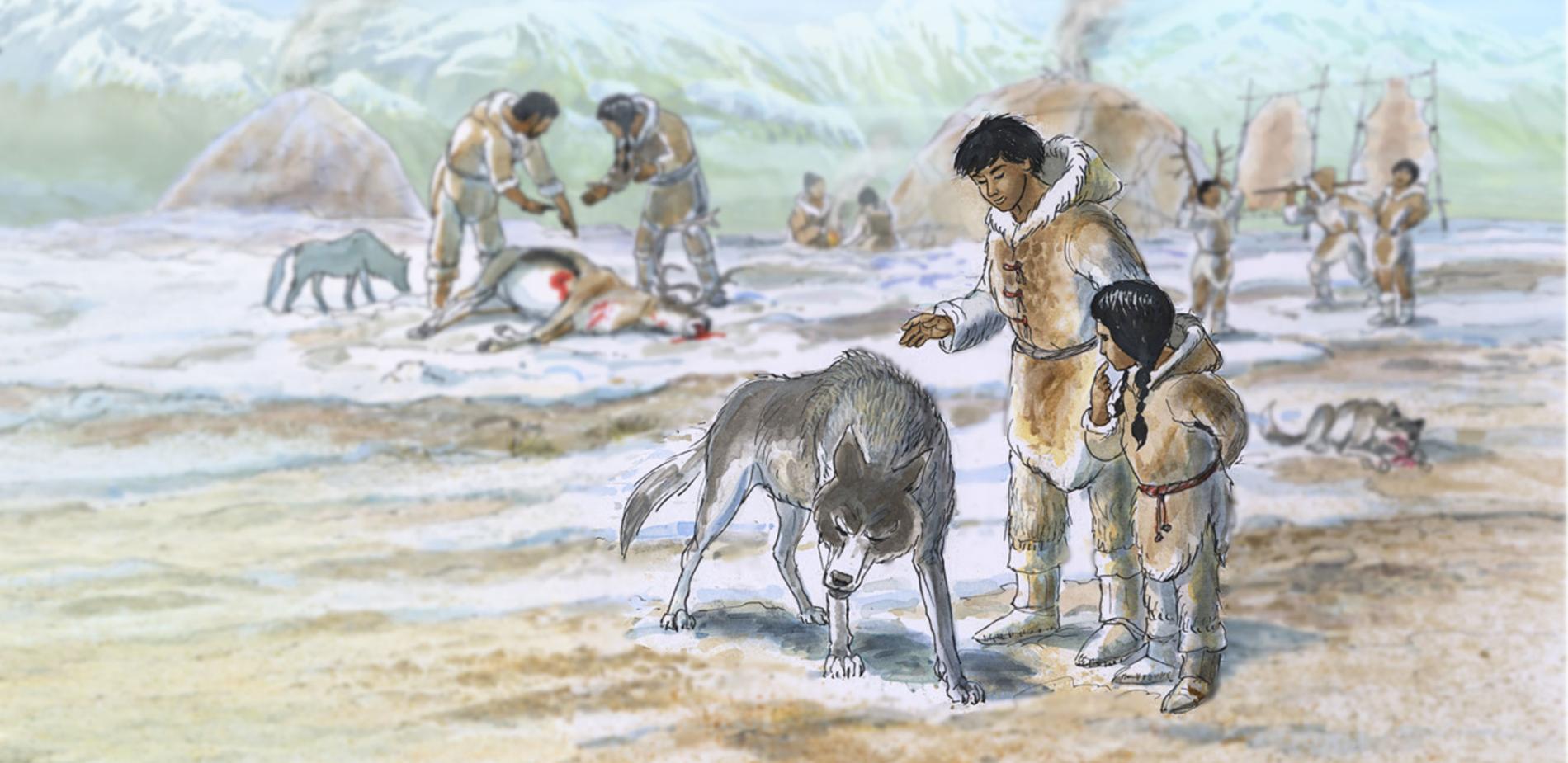
Although children were a significant presence in the hunter-gatherer camps of Chauvet and Lascaux, they have long been overlooked by researchers. The relatively new field of childhood archaeology is changing that, revealing young Homo sapiens as tall, robust, eager learners who took part in every aspect of daily life.
An investigation by Pedro Lima - Published on
An emerging field: the archaeology of childhood
Forget the once-popular terms ‘prehistoric man’ and ‘caveman’. During the last Ice Age (45,000–11,000 years ago), people in Europe did not live in dark, damp caves, but instead preferred camps at the foot of cliffs, sheltered from the wind. And, of course, they included women as well as men — not to mention children, who are estimated to have made up 40–50% of the population, according to ethnographic comparisons and evidence from dwelling structures. So why were children ignored for more than a century, just as women were until relatively recently?
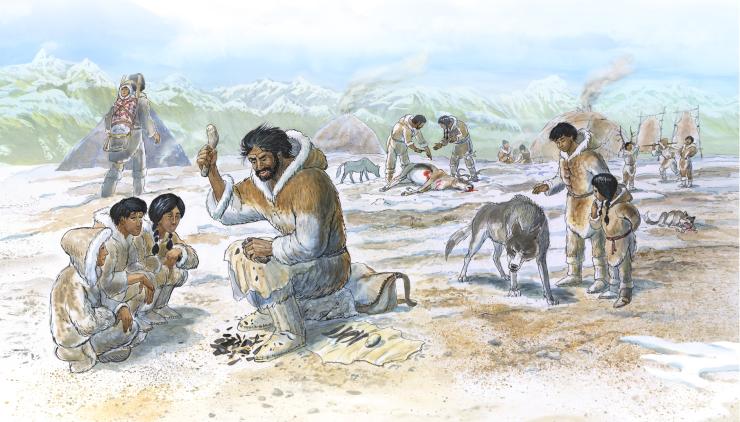
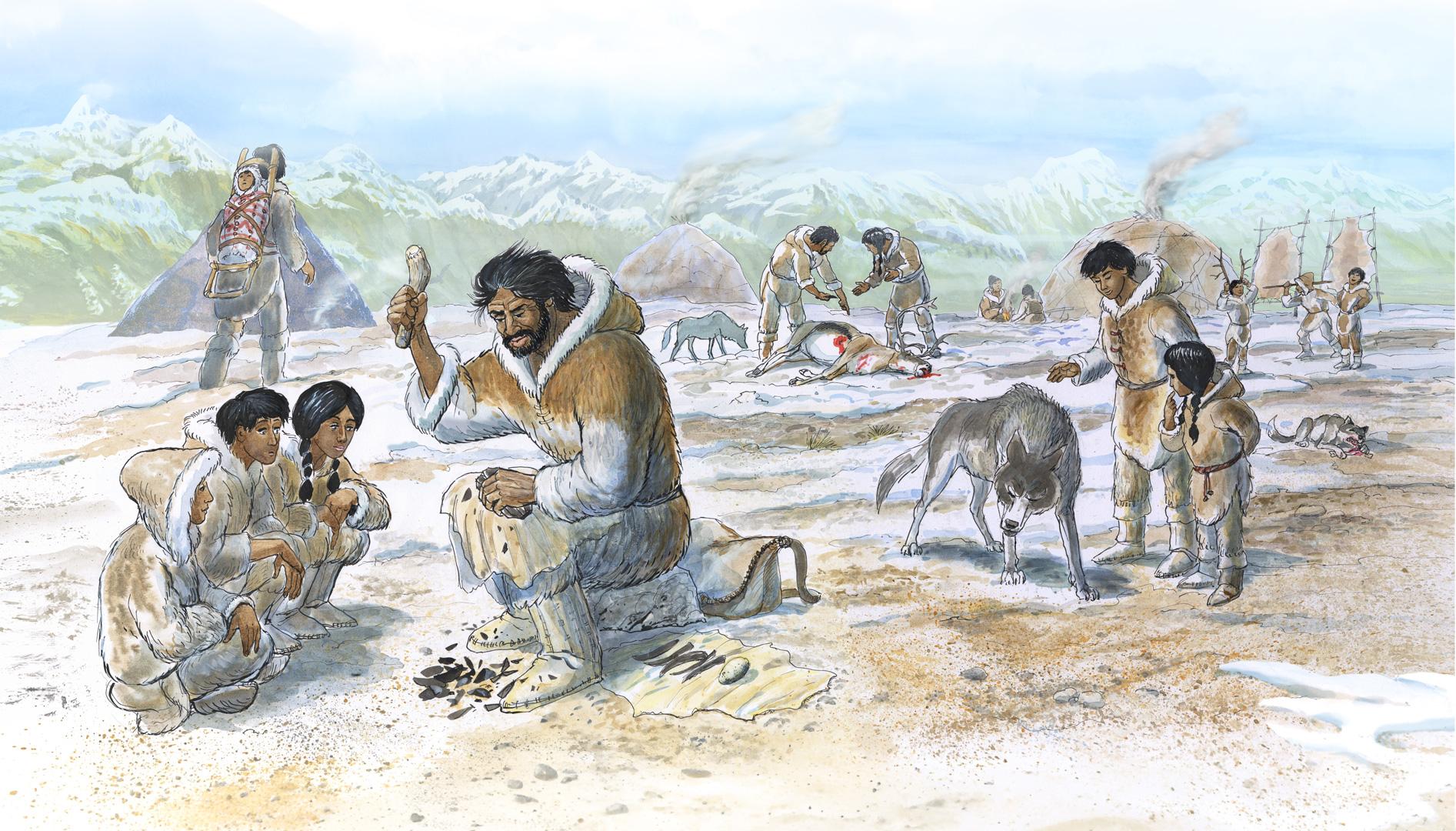
To be fair to prehistorians, children have left behind relatively little material evidence: rare bones, which are more fragile and less likely to survive than adult bones; footprints; and small, poorly knapped flint flakes. Since children probably performed simpler tasks, such as gathering fruit and firewood and tending fires, these have left little trace. For researchers, carefully crafted tools and prestigious weapons may have seemed more worthy of attention than children and their activities.
Over the past decade, a new generation of mostly female archaeologists has finally turned its attention to childhood. They search for evidence of children learning to knap flint, measure their handprints on cave walls, examine rare surviving burials and piece together the ages at which childhood, puberty and adolescence began and ended. Their findings suggest that young Homo sapiens were robust, cherished by their families, capable hunters, eager learners and even budding artists, honing their skills deep inside caves.
Some figures
- 13.5 years old: puberty began at around the same age as it does today.
- 4.5 children: mothers had 4 to 5 children and were 23.2 years old on average (30.7 years for fathers).
- 45%: this was the average proportion of children in a camp’s population.
- 1/3: infant mortality was high: one-third died before age 1, and another third between ages 1 and 20.
- 22.5 years: average life expectancy at birth was between 20 and 25 years.
Footprints…
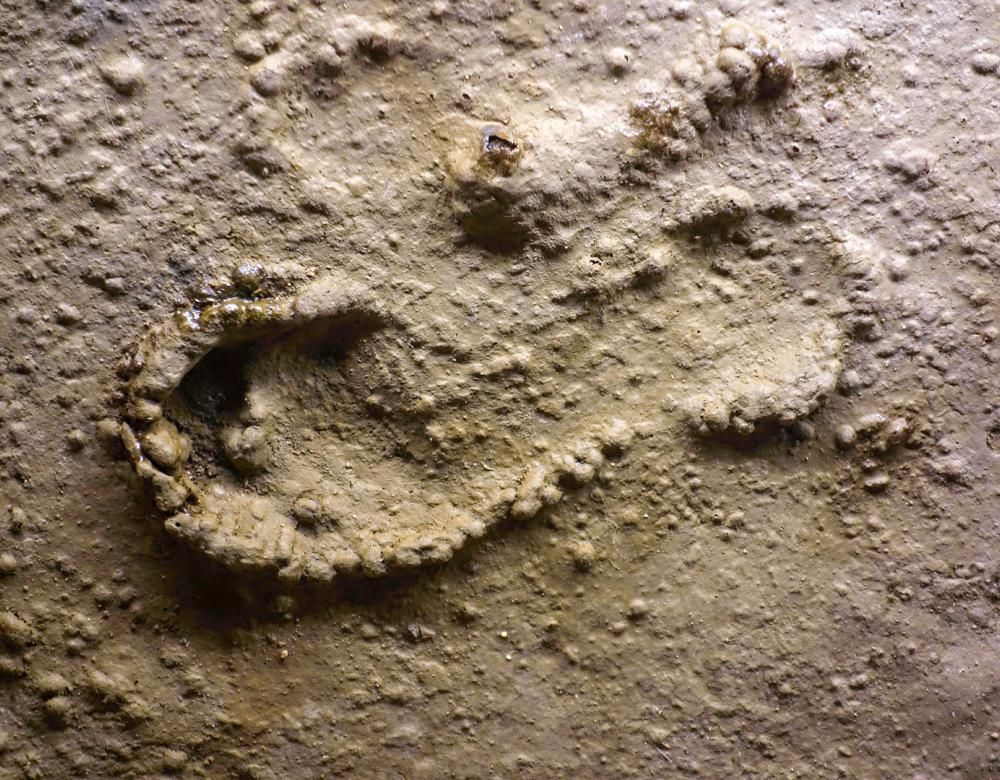
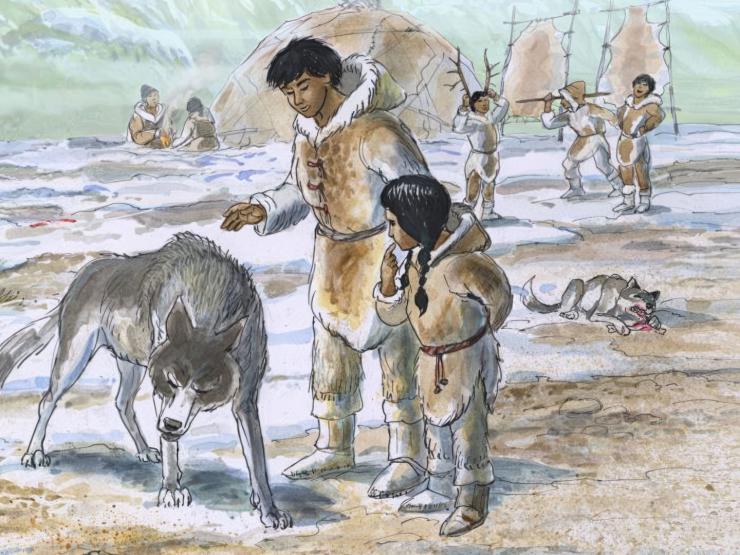
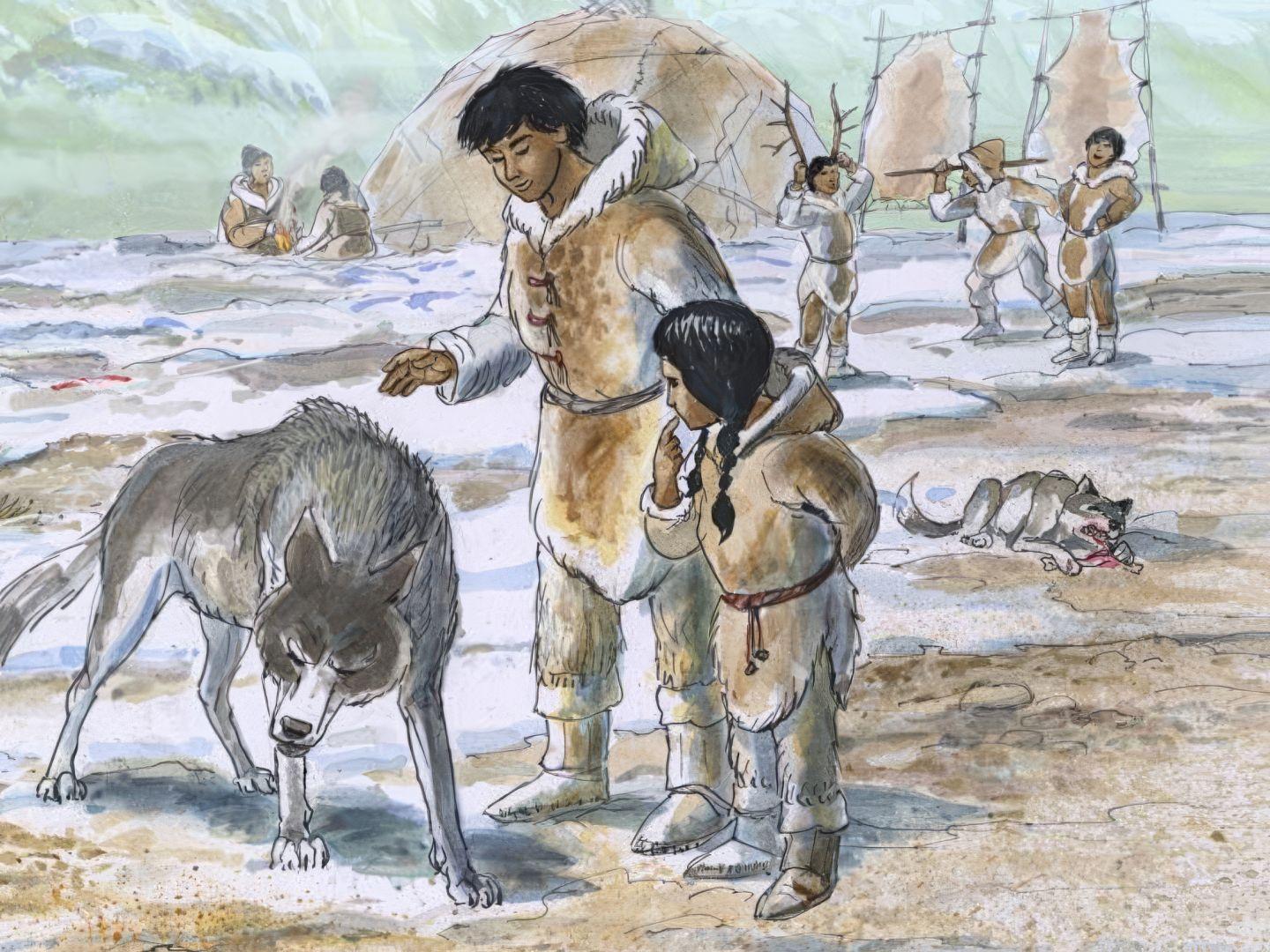
When André and Marthe David discovered the decorated Pech Merle Cave (Lot) in 1922, they were captivated not only by the splendid horses and mammoths painted 27,000 years ago, but also by the small footprints on the cave floor, now thought to have been left by teenagers. Children’s footprints, including complete tracks, have also been found in the caves of Niaux, Tuc d’Audoubert and Fontanet (Ariège), sometimes in deep cavities. Were they playing games? Learning to draw? Taking part in underground initiation rituals? Research conducted in 2026 using ichnology — the study of trace fossils — showed that, 15,000 years ago, three children aged 5, 7 and 11 explored Italy’s La Basura Cave with two adults, possibly their parents, and a large canid, most likely a domesticated wolf.
… and handprints
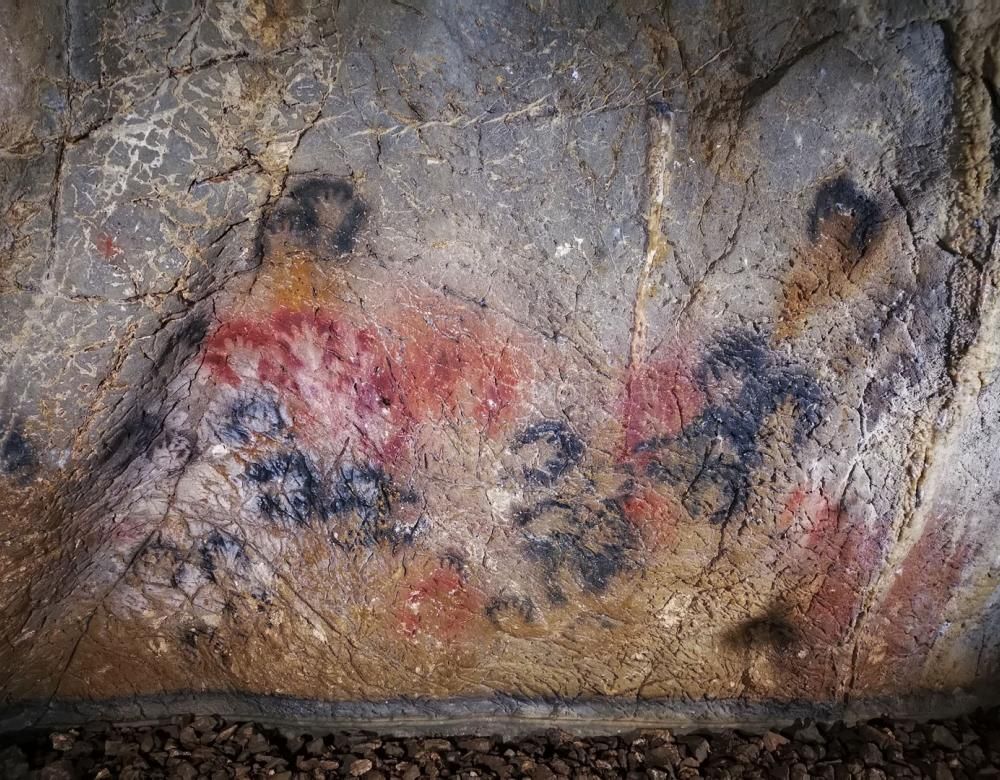
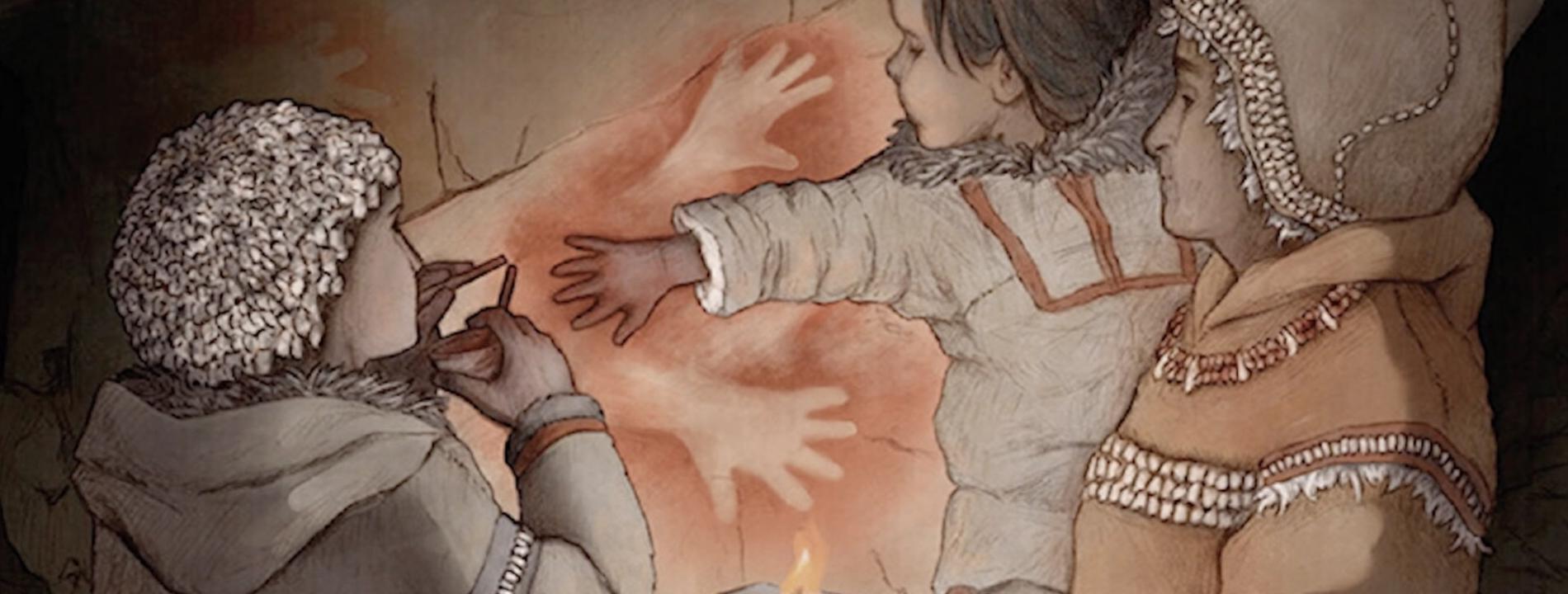
What could be more poignant than the six-centimetre hand stencil of a baby less than a year old, painted in red ochre in Gargas Cave? The cave contains more than 200 hand stencils, around 20 of them made by children. Nor is Gargas an isolated example: in 2022, a team from the University of Santander in Spain carried out a morphometric analysis of 150 negative handprints from five decorated caves in Spain. These ‘negatives’ were made by blowing pigment onto a hand placed against the cave wall. Twenty per cent were made by children or teenagers. Could they have been taking part in underground initiation rites marking the transition from childhood to adolescence? A 2024 study by another Spanish team suggests that such rites may have involved making handprints or animal images in secluded corners of caves as a test of courage.
Learning to knap flint
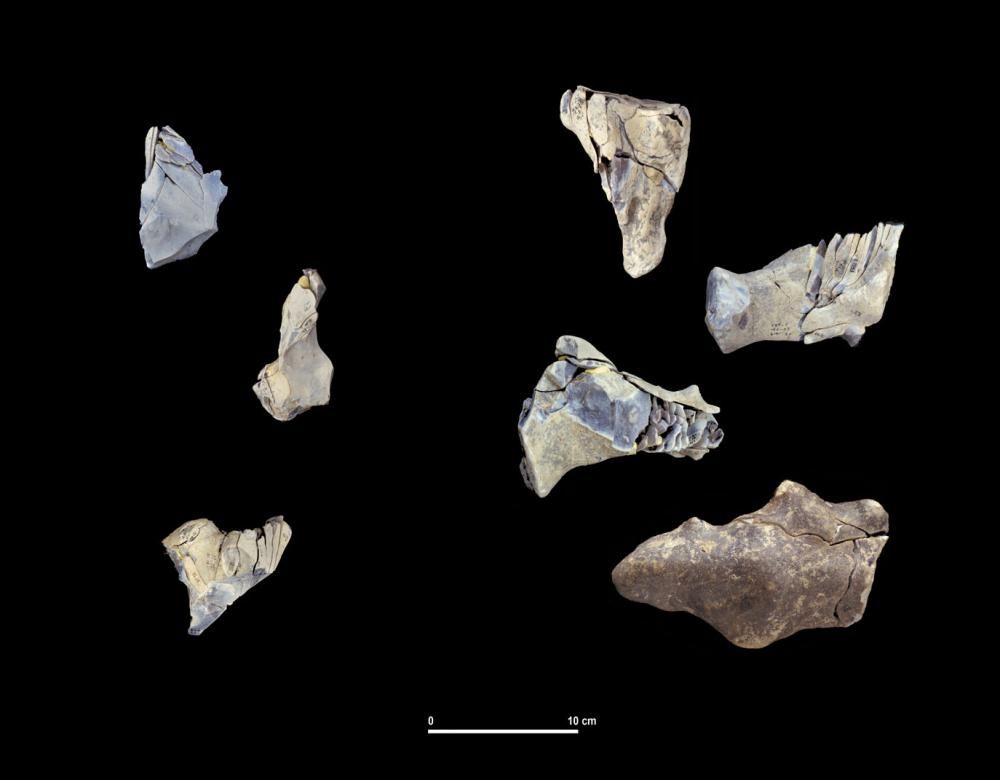
From an early age, children learned the gestures they needed to survive in hunter-gatherer groups, where mortality was high and populations were small. Evidence of this active teaching and learning has been found at the Magdalenian occupation sites of Pincevent and Étiolles in the Seine Valley, where excavations are still underway. The varying quality of the flint flakes suggests that apprentices learned from expert knappers, gradually honing their skills until they could produce well-crafted blades. Other everyday skills, such as cutting and preparing hides or lighting and tending fires, have left no trace in the archaeological record.
Learning through play
Tiny fingerprints have been found on crudely modelled clay figurines made 30,000 years ago at Dolní Věstonice and Pavlov in the Czech Republic. A 2024 study suggests that children learned to model and fire clay by imitating the work of adults, who produced expertly crafted animal figurines. In the decorated Las Monedas Cave in northern Spain, simple, doodle-like figures also appear to have been modelled on adult drawings. Another 2024 study found that these figures resemble drawings made by two-year-olds today.
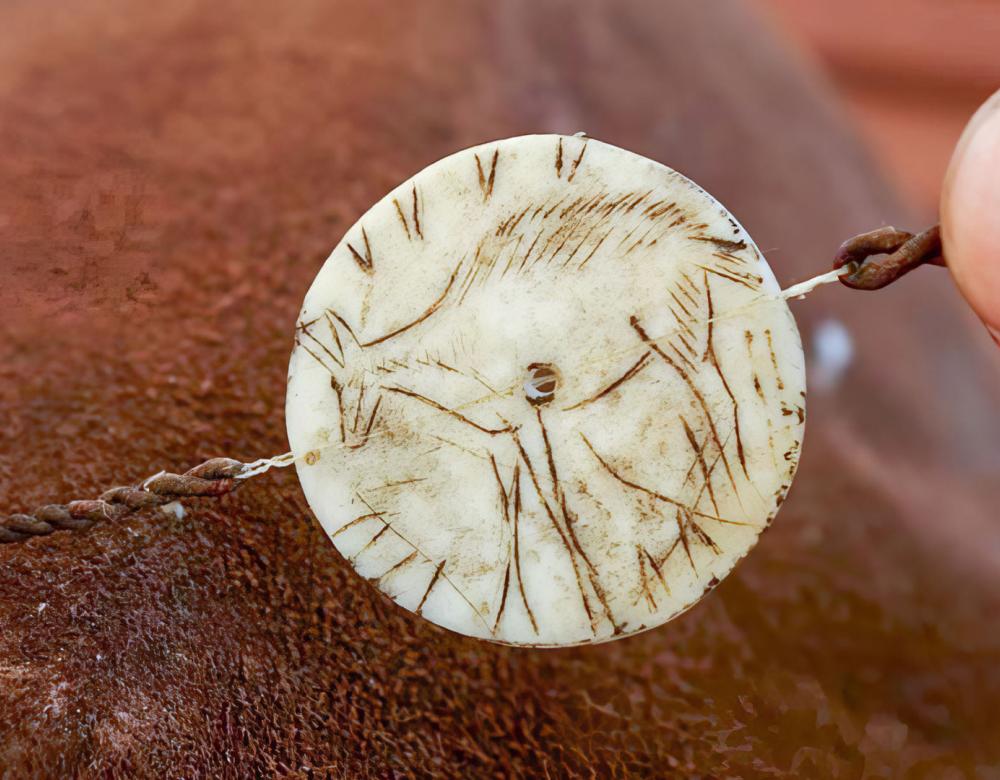
An ibex is engraved on both sides of this ‘thaumatrope’, which came to life when spun. It is the oldest known optical toy found to date (Dordogne, c. 15,000 years ago).
Dinner time!
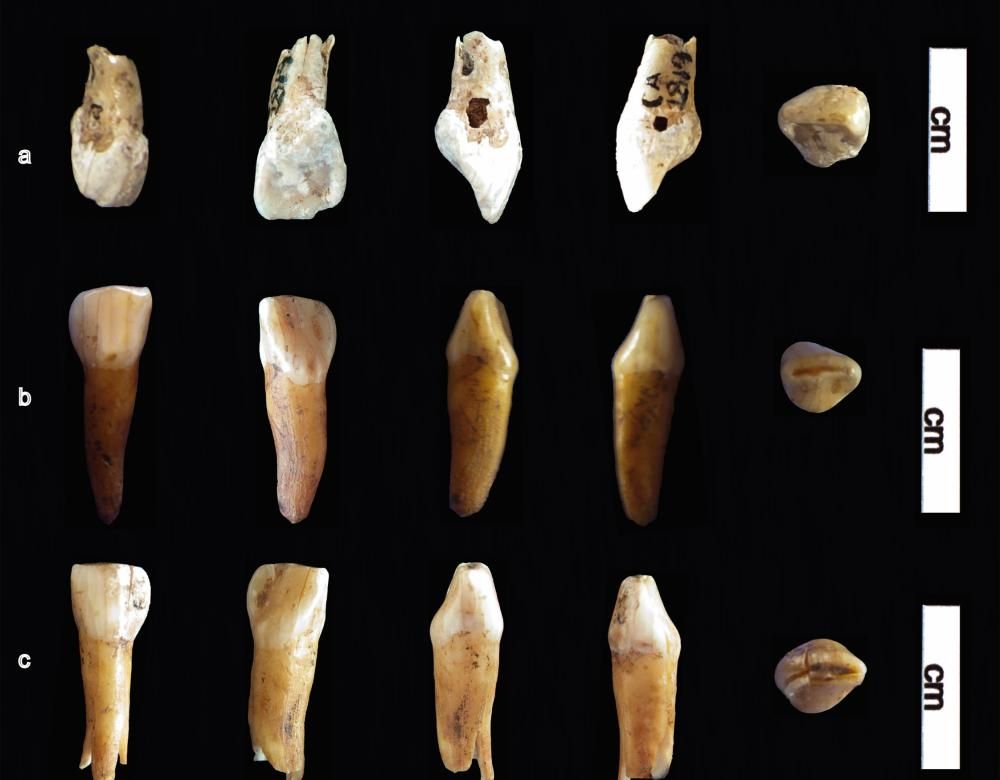
This three-year-old Homo sapiens, who lived 15,000 years ago at the Los Canes site on Spain’s Atlantic coast, was exclusively breastfed until eight months and then fed fish and seafood, probably mashed or pre-chewed. A 2026 study revealed this by analysing isotopes of calcium, strontium, carbon and nitrogen — different forms of atoms of the same chemical element — in the child’s teeth and bones. In 2024, isotopic analysis of the remains of a baby who lived 15,000 years ago at Taforalt in Morocco revealed that the child was weaned early and ate a largely plant-based diet of roots, berries and seeds, probably boiled. Together, these findings suggest that the Palaeolithic diet of young Homo sapiens was more varied than previously thought and included more than meat.
Children with weapons
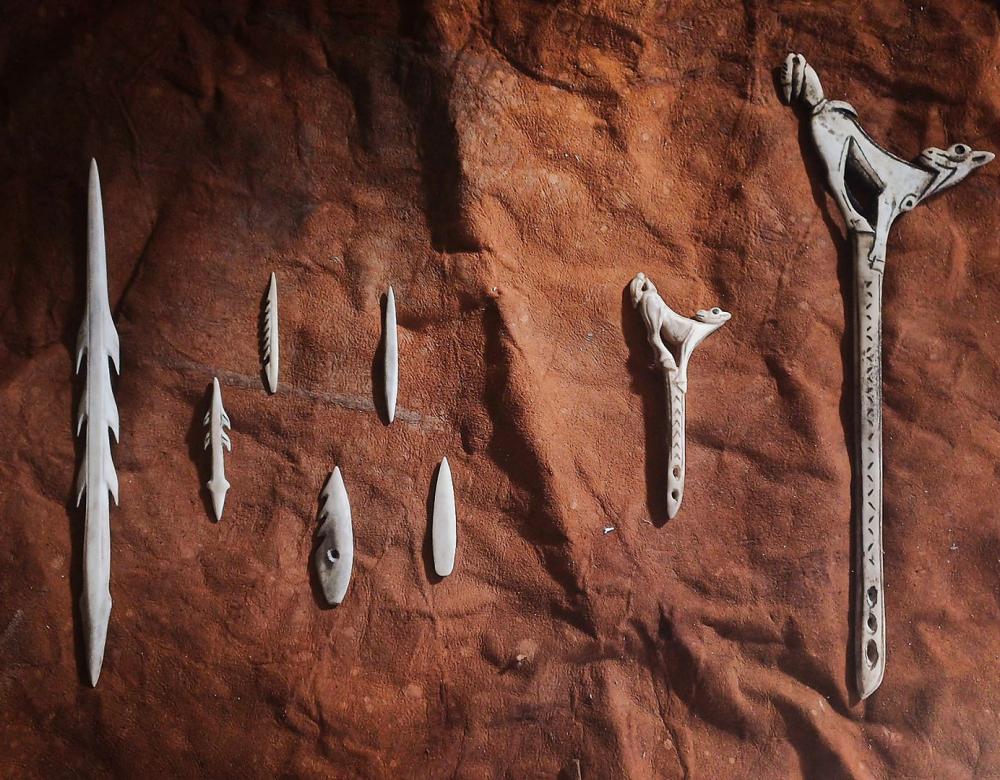
Archaeologists have long been intrigued by the small tools sometimes found at Palaeolithic occupation sites alongside the large blades and harpoons used by adults (right and left: an adult spear-thrower and harpoon). One example is the spear-thrower from Labastide Cave (Hautes-Pyrénées), which measures just 10 centimetres. Could these ‘miniatures’ have been weapons made for Homo sapiens children to practise hunting and fishing alongside adults from an early age? Observations of children hunting today, particularly in Amazonia and the Congo, lend support to this idea.
Replicas of children's weapons made from reindeer antler by Palaeolithic experimenter Florent Rivère.
Caring for children
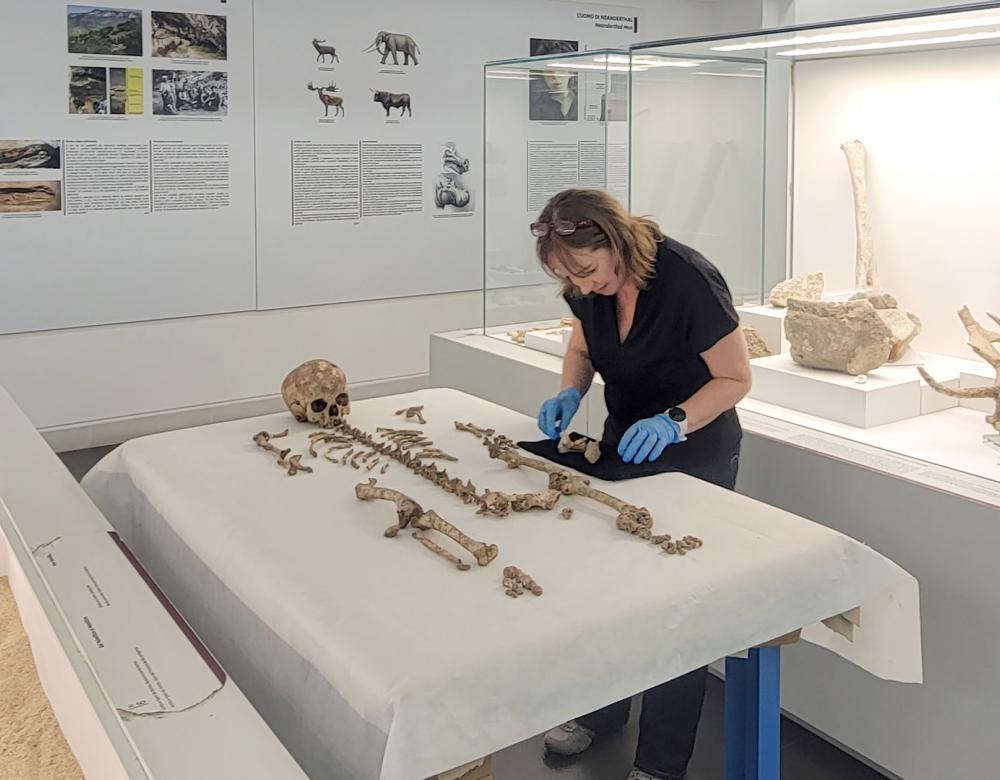
In January 2026, genomic analysis revealed that a 13,000-year-old adolescent skeleton discovered in Italy’s Romito Cave in 1962 belonged to a 15-year-old girl. The size and robustness of the bones had previously led researchers to identify the skeleton as male. The finding supports the idea that morphological differences between the sexes were less pronounced in the Palaeolithic. Previous analyses of the remains, which were buried with ornaments and covered in ochre, revealed that the teenager had a bone disorder that caused severe dwarfism. To have survived to age 15, she must have received special care from her group, as did other children with disabilities whose Palaeolithic burials provide similar evidence of care and affection.
Palaeopathologist Mary Lewis (University of Reading) examines the skeletal remains of ‘Romito 2’, the oldest known individual with a form of dwarfism.
Twins together for eternity
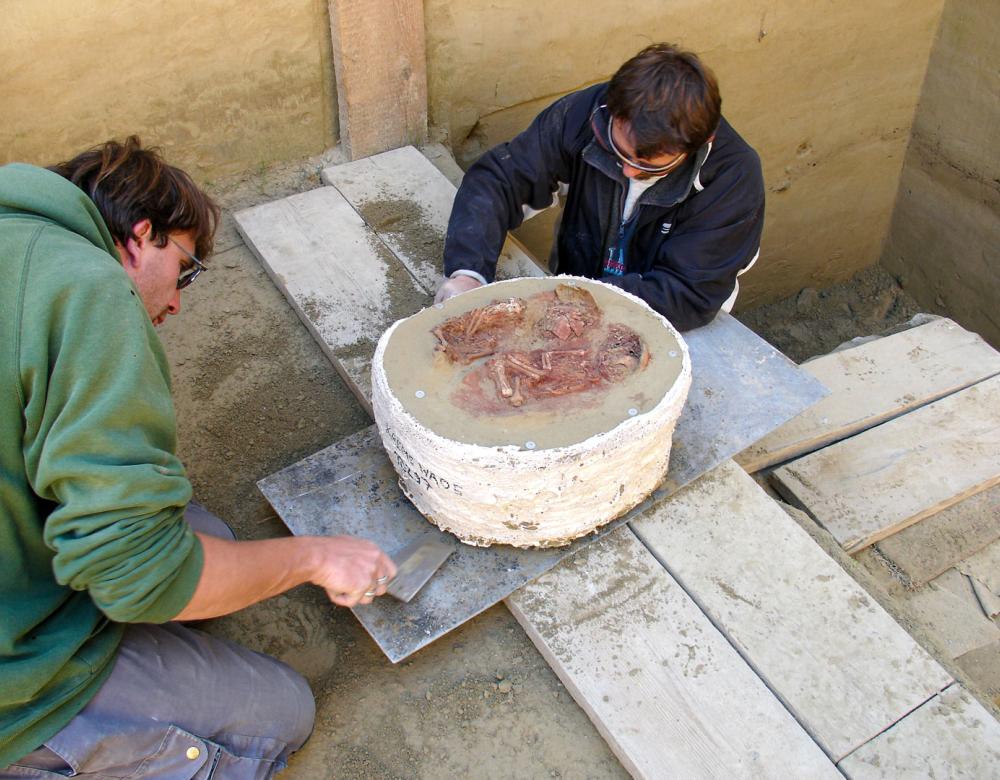
In 2020, genomic, skeletal and dental analyses revealed that two infants buried 31,000 years ago at the Wachtberg site in Austria were male monozygotic (identical) twins. One twin, who died at birth, was buried first. The grave was covered with red ochre and contained offerings, including a shoulder blade, beads made from mammoth ivory, fox incisors and snail shells. It was reopened for the second twin, who died at around 50 days old. There are around 20 known Palaeolithic burials of Homo sapiens and Neanderthal children, including newborns. They show that care and affection for the dead were not limited to any particular age group.
Precocious Neanderthals
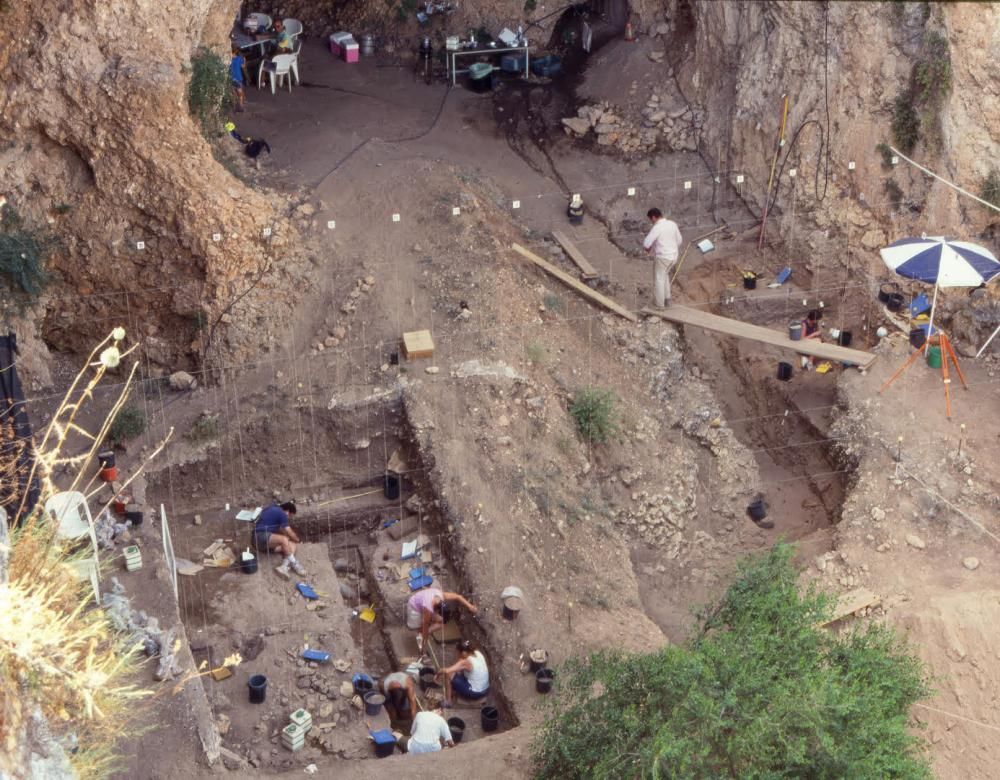
An international team analysed 111 fossil fragments from the skeleton of a Neanderthal infant of unknown sex who lived 55,000 years ago in Amud Cave, Israel. The structure of its teeth indicates that it died at around six months old, while the rest of its skeleton and brain development resemble those of a 12- to 14-month-old Homo sapiens. These findings suggest that Neanderthals, who lived in Eurasia from 400,000 to 40,000 years ago, grew faster than our species. Another study suggests that puberty began at roughly the same age in Palaeolithic Homo sapiens children as it does today, between the ages of 11 and 14.
A new perspective on childhood
A 2025 study by researchers at the French National Centre for Prehistory identified nearly ten per cent of the 118 human figures engraved 15,000 years ago on limestone plaquettes at the La Marche site in Vienne as babies and children, including a newborn with its umbilical cord clearly visible. This suggests that Palaeolithic children were seen as an integral part of the group, rather than simply adults in the making or a source of labour. Surviving burials of babies and young children provide further evidence for this view. Regardless of sex, they appear to have been cared for and given the same funerary treatment as adults. They were recognised as individuals in their own right — perhaps more so than in recent societies, where children worked as labourers and miners or served as soldiers from the nineteenth century well into the modern era.
These young Homo sapiens of the last Ice Age did more than gather food and cook: they played an active role in both economic and symbolic life. Recent research shows that they hunted and fished, helped decorate cave walls and gathered in ‘hideouts’ and other secret places away from adults. Some specialists, including archaeologists April Nowell and Michelle Langley, go further, arguing that children were drivers of innovation and invention, developing new techniques and inventing new ways of thinking. Although proving children’s contribution to the development of Palaeolithic societies will be challenging, future research is likely to reveal their importance to hunter-gatherer groups at the time of Chauvet and Lascaux.
The following people contributed to this investigation...
Science journalist Pedro Lima has covered a wide range of subjects over the past 30 years. He is the author of Paléo Kids. L’enfance de l’humanité (Synops, 2024) and co-author of a documentary about prehistoric children, scheduled to air on France Télévisions in 2027.
Sophie Archambault de Beaune, professor emerita at Lyon 2 University, is a prehistorian specialising in the evolution of tools and technical gestures and the emergence of cognitive abilities from the earliest hominins onwards. She is a leading expert on the role of children in Palaeolithic societies.
April Nowell is a Palaeolithic archaeologist and Professor of Anthropology at the University of Victoria in British Columbia, Canada. She specialises in the symbolic and cognitive behaviour of the first modern humans. Her pioneering work on Palaeolithic childhood has opened up a new field in the study of prehistoric societies.
Archaeologist Verónica Fernández-Navarro, a specialist in Palaeolithic rock art at the University of Cantabria in Spain, studies hand stencils and identifies their makers, including children and adolescents, using morphometric analysis and 3D techniques.
Gilles Tosello est préhistorien, chercheur (CNRS / Université Toulouse-Jean Jaurès) et artiste plasticien. Membre de l’équipe scientifique de la grotte Chauvet, il conjugue analyse archéologique et pratique artistique. On lui doit notamment la réalisation des fac-similés des fresques murales pour Chauvet 2 et la grotte Cosquer.

