6,000 exoplanets and still no ‘Earth’ in sight?
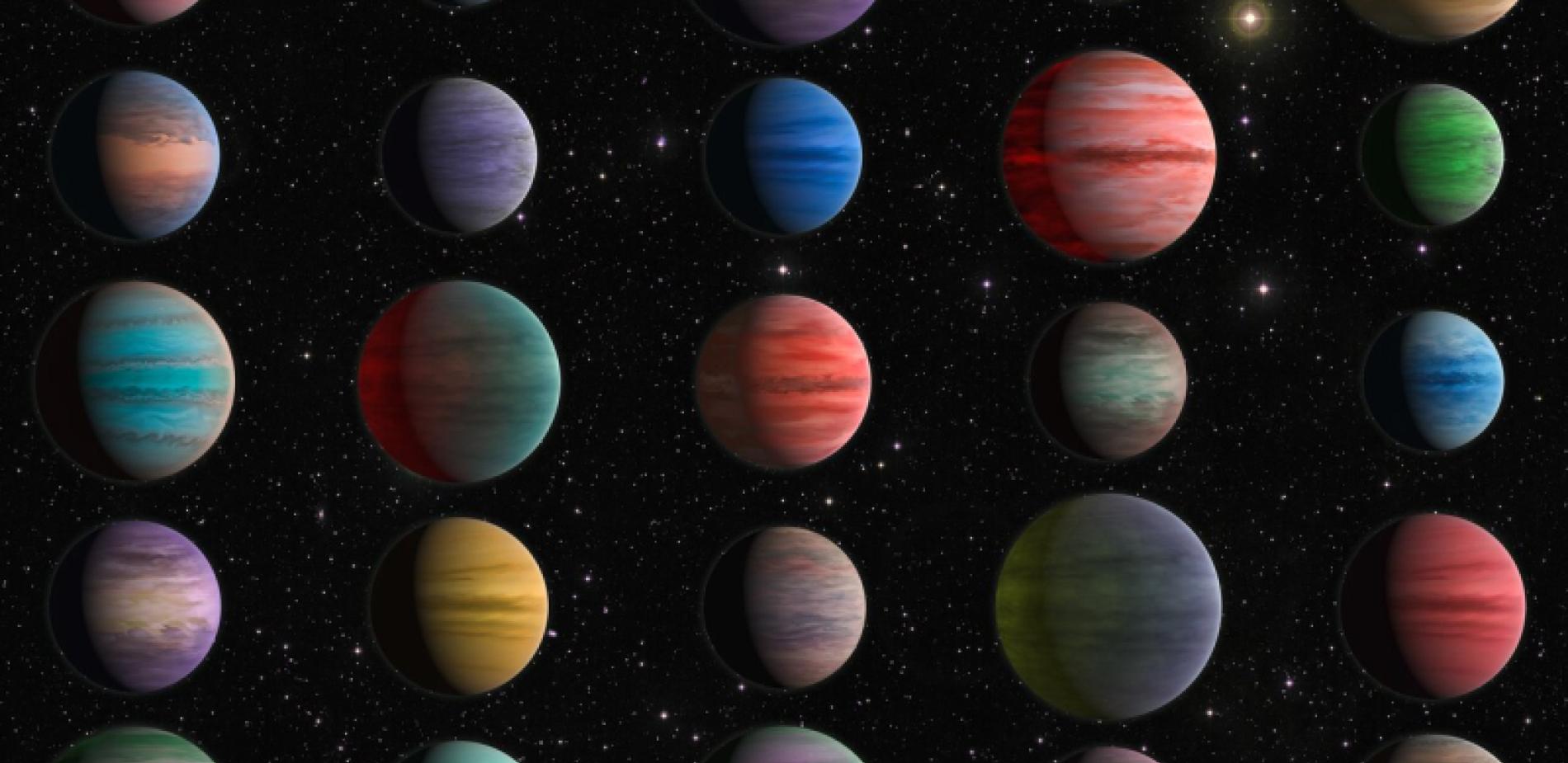
By late 2025, astronomers had discovered 6,000 exoplanets. While none of these worlds closely resembles our own, they provide valuable insights into the Universe and guide our search for life beyond the Solar System.
Investigation by Adrien Denèle - Published on
The quest for a living, Earth-like world
A record that keeps being broken yet never ceases to fascinate. Since astronomers Michel Mayor and Didier Queloz first observed an extrasolar planet in 1995, six thousand exoplanets — planets orbiting stars beyond our Sun — have been discovered. Countless worlds are scattered across the vast Universe, yet there is still no sign of life beyond our blue planet, nor an Earth-like twin: no rocky planet of similar size orbiting a Sun-like star with a temperate atmosphere and liquid water.
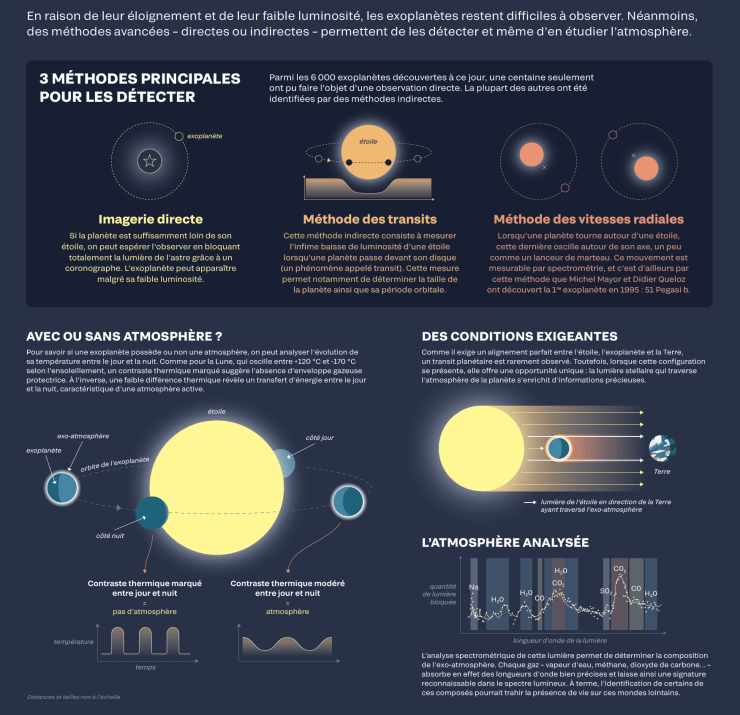
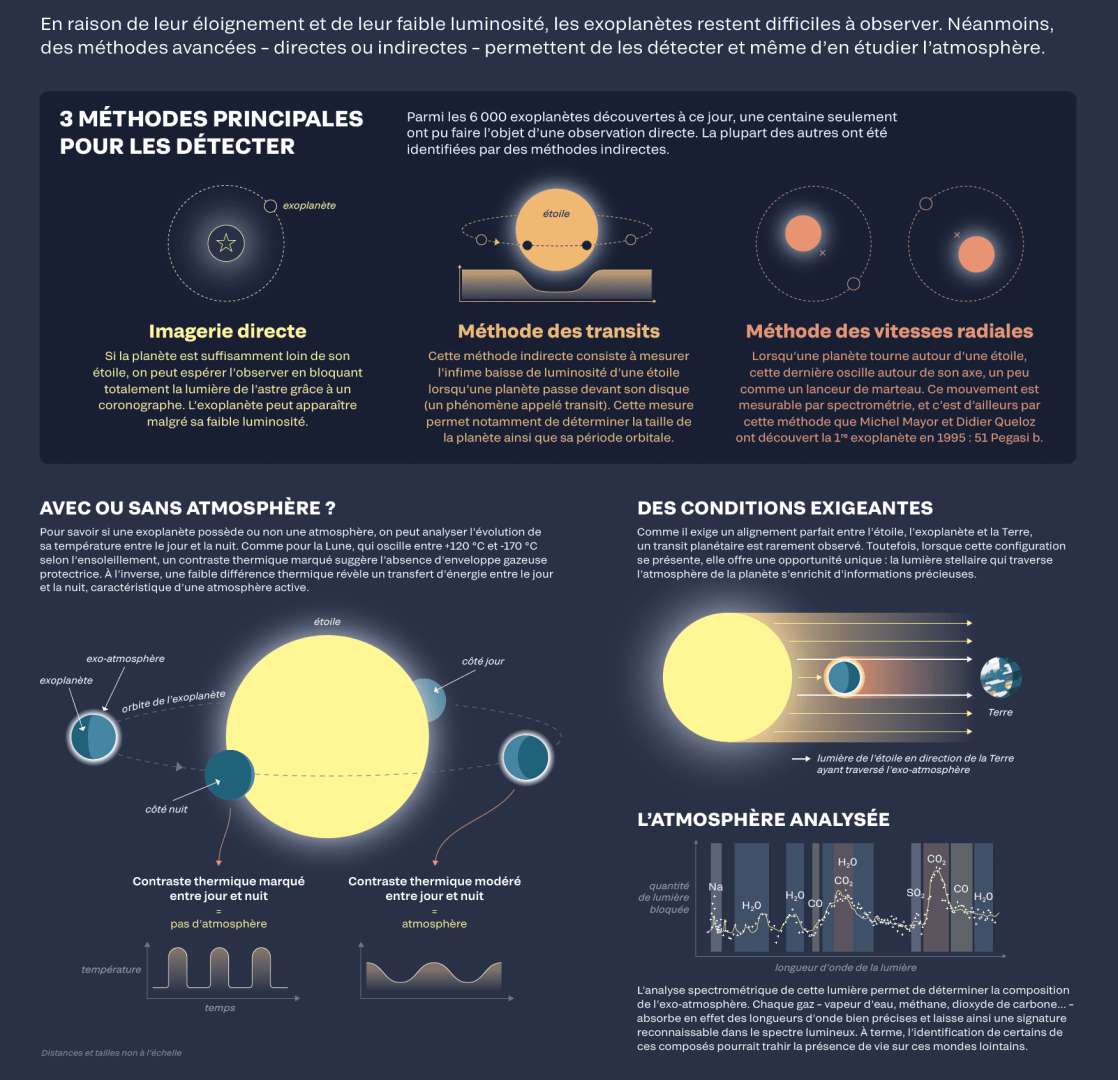
Does this mean we’re back to square one, still asking whether humans are alone in the Universe? Not quite. Current detection methods — transits, radial velocity and direct imaging — are biased toward large planets orbiting close to their stars. In other words, our cosmic inventory remains limited by what we are able to observe.
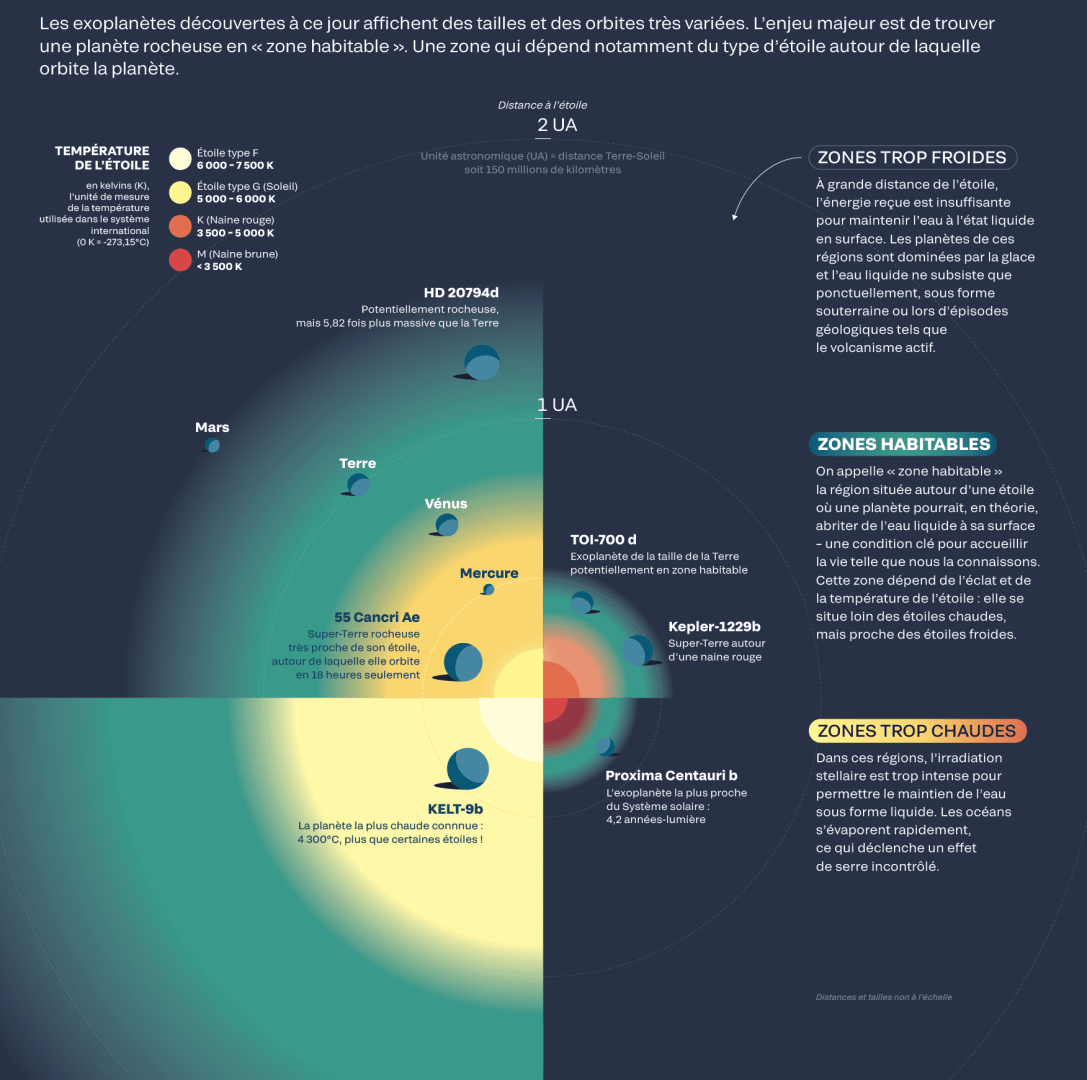
Driven by ever more sensitive instruments, the search for a “second Earth” is only just beginning, particularly the hunt for signs of life in the so-called “habitable zone” — the region around a star where temperatures could theoretically allow liquid water on a planet’s surface. But that is only part of the story: factors such as the star’s activity, the composition and thickness of the planet’s atmosphere, its magnetic field and its internal geology can turn a potentially habitable world into a sterile, airless wasteland. This is often the case for recently discovered “super-Earths” within the habitable zone, which tend to be more massive, denser or richer in gas than Earth.
How do we study exoplanets?
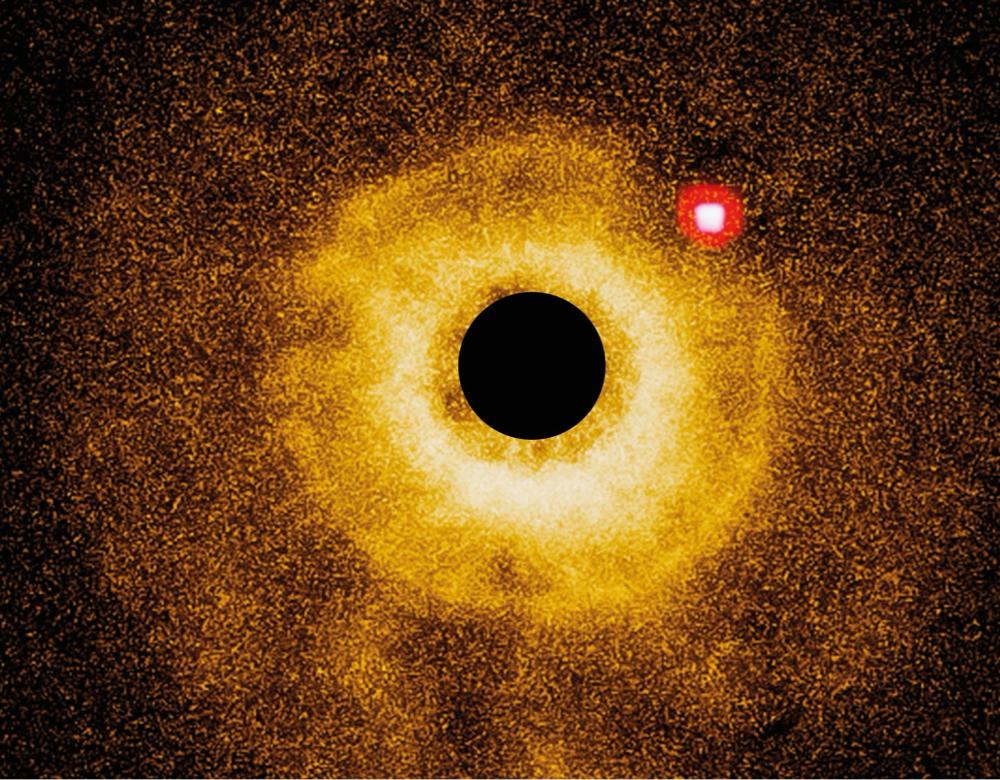
A gas giant captured by the James Webb Space Telescope (JWST).
Of the 6,000 exoplanets discovered to date, only around a hundred have been directly imaged, most having been first detected using indirect methods. In June 2025, the James Webb Space Telescope (JWST) captured its first exoplanet through direct imaging — a milestone for both JWST and space astronomy. Using its French-built MIRI coronagraph to block the glare of the TWA 7’s star, JWST revealed a Saturn-sized planet in silhouette. This method works only for giant planets; an Earth-sized world is simply too small to be seen this way.
The ultimate prize: exoatmospheres
At first, simply proving the existence of an exoplanet was a monumental achievement. Some 6,000 exoplanets later, the accumulated data have been sorted and classified, paving the way for the next frontier: spectral analysis of their atmospheres. How is this done? Astrophysicists search for the chemical signatures of gases in a planet’s atmosphere as it passes in front of or behind its star. A tiny fraction of the starlight then passes through the planet’s atmosphere or disappears from the spectrum during occultation. By studying this light, scientists can detect gases such as water vapour, carbon dioxide and methane. The James Webb Space Telescope has already achieved a major breakthrough, detecting these “signatures” in several exoplanets, including carbon dioxide and sulphur dioxide on WASP-39 b, hinting at active atmospheric photochemistry.
For now, such observations are confined to extended hot atmospheres, which are easier to study than those of small rocky planets. Future instruments, however, will aim to explore Earth-like worlds. The challenge goes beyond the search for life: planetary atmospheres reveal the story of a planet’s formation, its evolution and its interactions with its host star. Understanding why some planets become rocky while others grow into gas giants is essential to placing Earth within the broader cosmic context.
Why do so many planets orbit red dwarf stars?
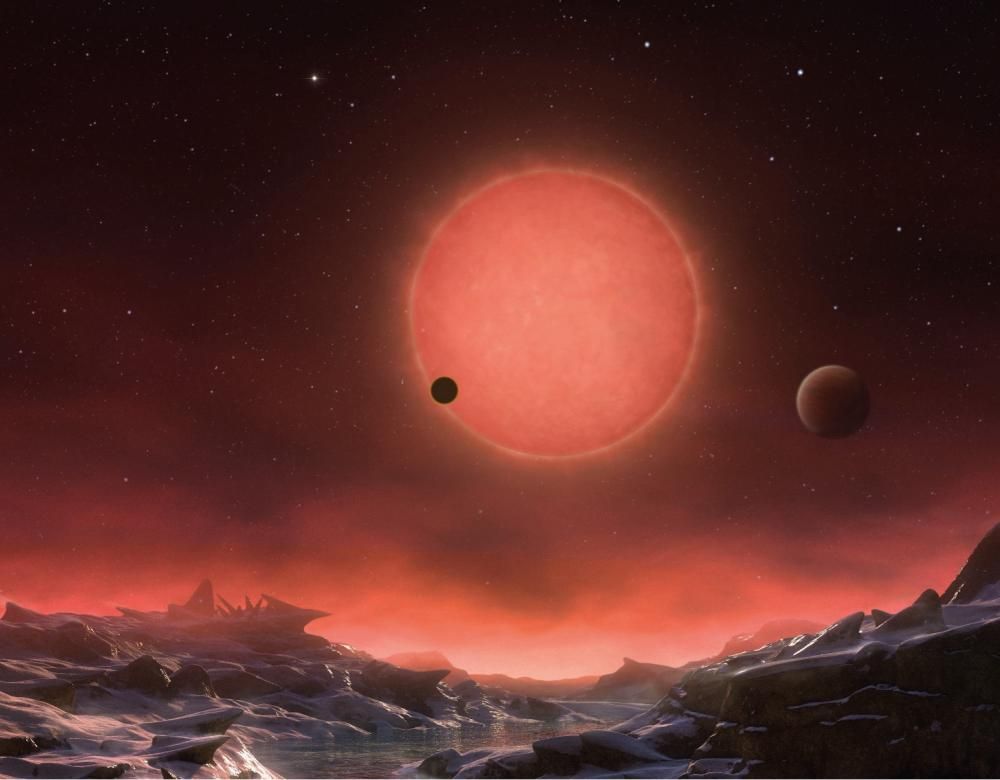
They’re the real stars! Red dwarfs are stars 100 times smaller than our Sun and less luminous. They make up 75% of the stars in the Milky Way, and exoplanets are commonly found orbiting them. Why? It is easier to spot the shadow of a bird (a planet) passing in front of a light bulb (a red dwarf) than in front of a giant lighthouse (a massive star). Unfortunately, young red dwarfs are electromagnetically active, producing ultraviolet rays that can strip away surrounding atmospheres. This makes detecting them on exoplanets in systems like TRAPPIST-1 extremely challenging.
Observing from space and from the Earth
Space missions like TESS, Kepler and Gaia have helped discover more than 6,000 exoplanets. The true champion, however, is the James Webb Space Telescope (JWST), operational since 2022. Originally designed to study the first galaxies and star formation, JWST was later tasked with searching for exoplanets, taking advantage of its extraordinary sensitivity to infrared light — a wavelength that reveals heat and allows scientists to model atmospheres. Using this capability, JWST has detected water vapour, carbon dioxide, methane and sulphur dioxide in the atmospheres of giant planets.
Entering service in May 2027, NASA’s Nancy Grace Roman Space Telescope — developed with European and Japanese partners — will directly image smaller, colder planets. But the true successor to JWST will be the Habitable Worlds Observatory (HWO), which will use coronagraphs to separate the faint light of planets from their stars. Designed to search for exoplanets in habitable zones, HWO will analyse their atmospheres for chemical signatures that could indicate biological activity. Its launch is not expected before 2040.
Giant ground-based telescopes also track exoplanets, including the Vera C. Rubin Observatory in Chile. Together, space and ground telescopes form the perfect partnership: space telescopes bypass Earth’s atmosphere to capture “pure” light signals, while larger ground telescopes provide vast data sets.
Plato: future European mission
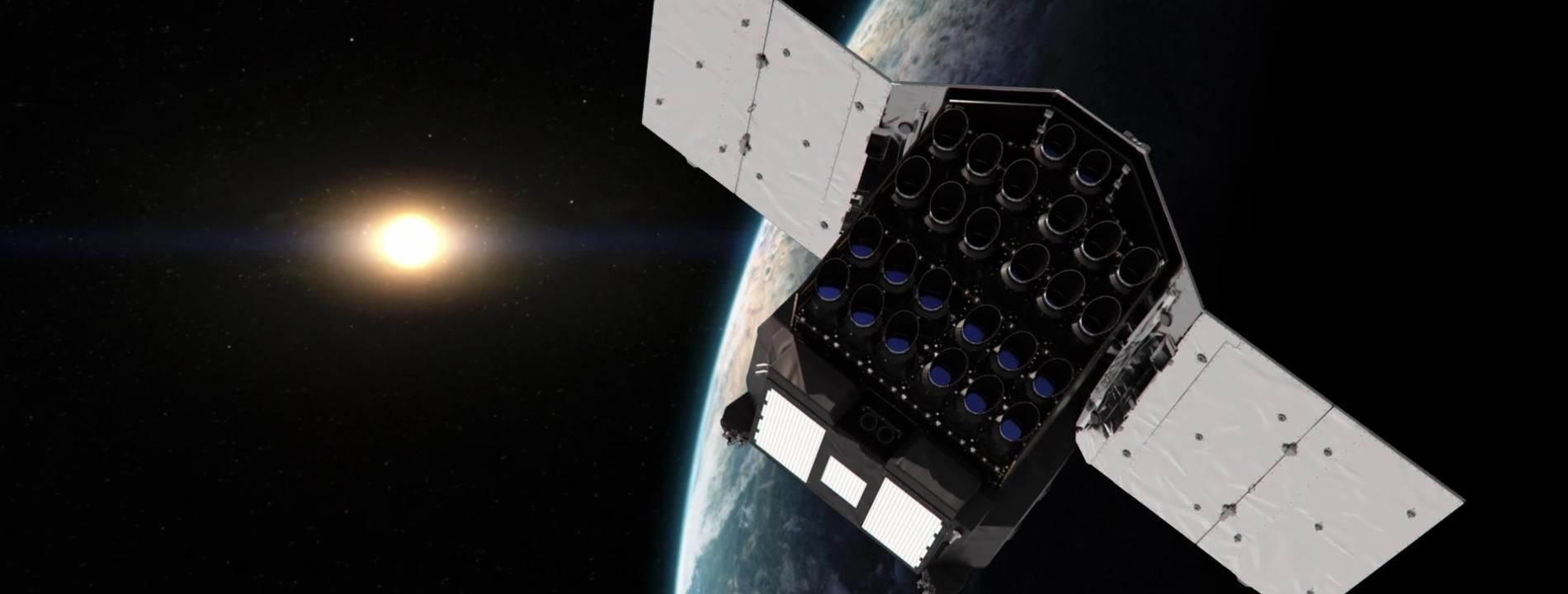
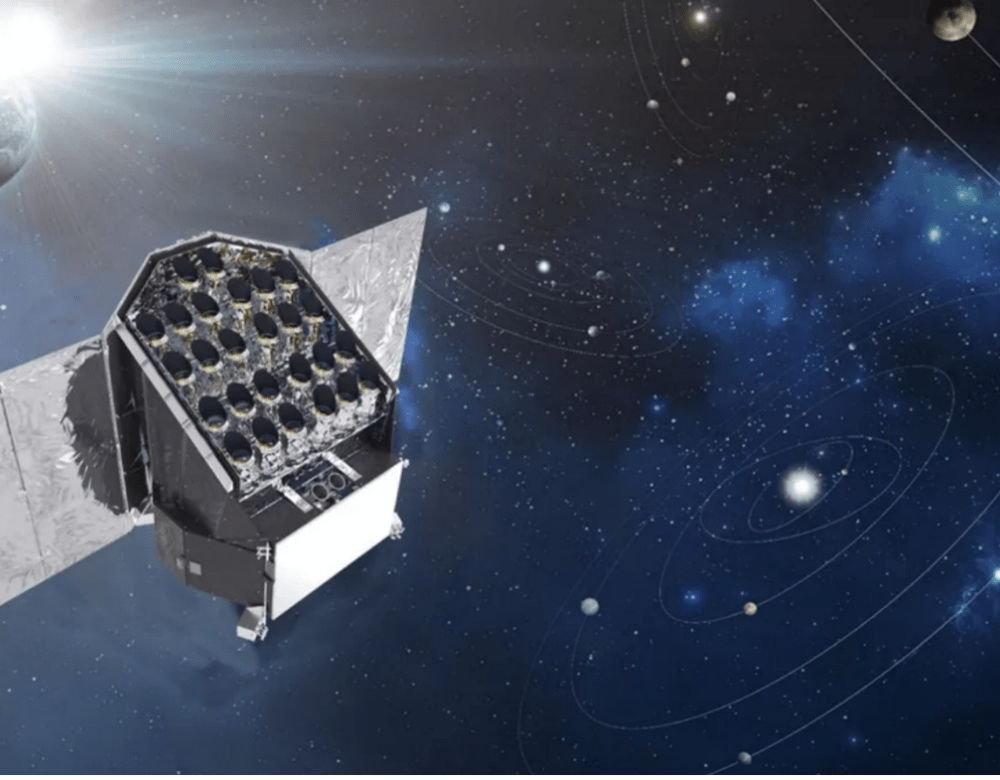
A philosopher’s name has inspired a new mission to explore exoplanets: the Plato mission, led by the European Space Agency with support from the French National Centre for Space Studies (CNES), is set to launch in 2026. Its goal is to detect and characterise rocky, Earth-sized planets orbiting nearby bright stars, providing ideal conditions to study their atmospheres. Capable of observing hundreds of thousands of stars simultaneously, Plato will measure exoplanets’ mass and radius to determine their density and composition. For the first time, it will link planetary formation, stellar evolution and habitability.
Is our solar system unique?
As more exoplanets are discovered, one question remains: is our solar system the rule or the exception? So far, no observed system resembles our own, with small rocky planets close to their star (from Mercury to Mars) and distant gas giants (from Jupiter to Neptune). Around other stars, scientists sometimes discover “hot Jupiters” orbiting very close to their star, or gas giants on orbits even closer than Mercury is to the Sun — surprising when you compare it with our Solar System.
This may simply reflect an observational bias: Earth-like planets, small and faint, orbiting far from their star are the hardest to detect. Another explanation is that the apparent uniqueness of our Solar System is the result of its history, especially the way planets may have shifted around the Sun over time through still poorly understood “inward migrations”. Observations of protoplanetary disks — clouds of gas and dust where planets form — are helping scientists reconstruct how planetary systems, including our own, are formed.
Finally, our Solar System’s star is unusual in being rich in heavy elements such as gold and uranium. This “chemical soup” may have influenced how the planets formed and determined the availability of elements essential for life. Studying exoplanet atmospheres, alongside collecting samples from Mars or asteroids like Bennu and Ryugu, will help scientists refine their models and, ultimately, pinpoint the hidden cousins of our Solar System for closer study.
The captivating ‘radius gap’
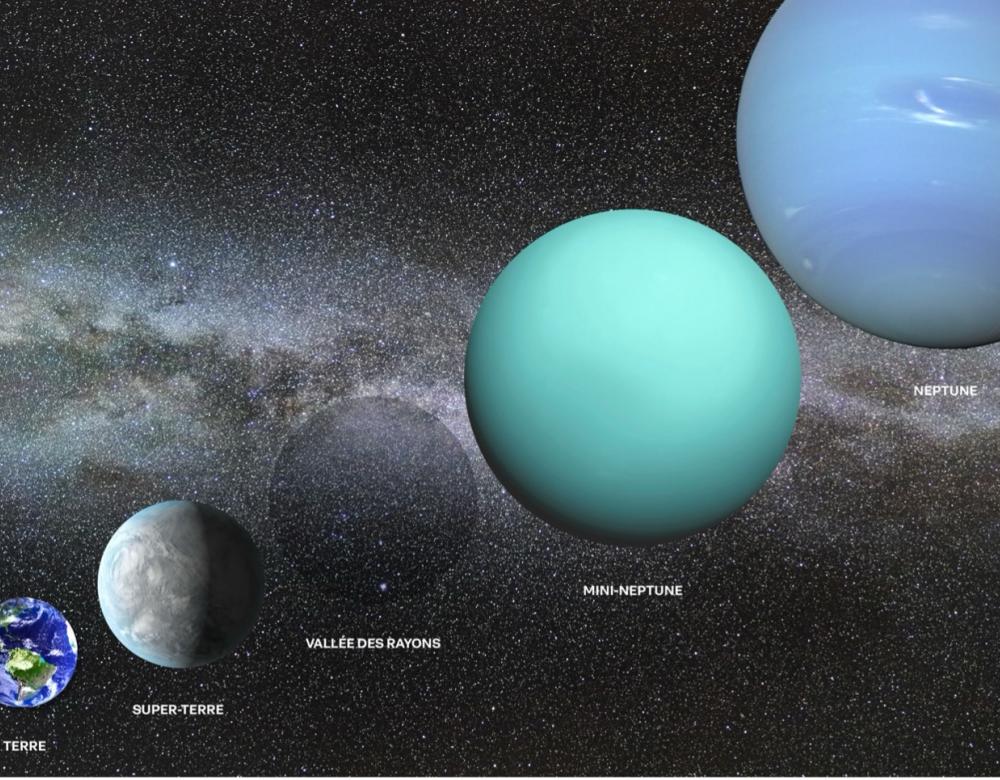
Among the exoplanets discovered so far, a striking divide exists between two common types: “Super-Earths” — rocky planets up to 1.5 times the size of Earth — and “Mini-Neptunes”, which are two to three times larger and surrounded by thick gaseous atmospheres. Scientists are particularly intrigued by the region between these groups, known as the “radius gap,” which contains relatively few planets. This gap may reflect how planets evolve after formation: some lose their atmosphere under their star’s radiation and become bare Super-Earths, while others retain thicker gas envelopes and develop into Mini-Neptunes.
Record-breaking planets
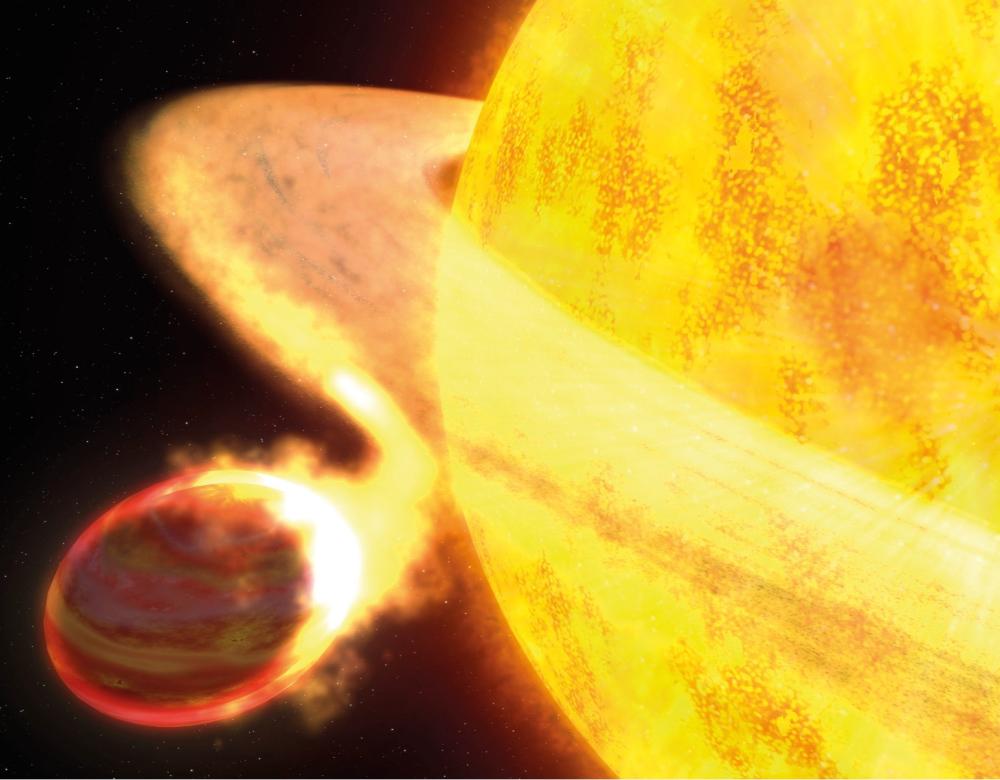
Ocean-covered worlds, molten planets, ultra-dense giants, extreme orbits… exoplanets push the imagination to its limits. Among the most unusual recent discoveries is an elongated lemon-shaped exoplanet distorted by strong tidal forces, observed by the James Webb Space Telescope in late 2025. Other worlds defy theoretical models, such as WASP-12b, a gas giant so close to its star it is being torn apart; or 55 Cancri Ae, a scorching super-Earth whose surface may be partly covered by oceans of lava. These record-breaking planets reveal that nature is far more inventive than our theoretical models.
Habitable zone: it all depends on the star
The dashed hopes of life on K2-18 b
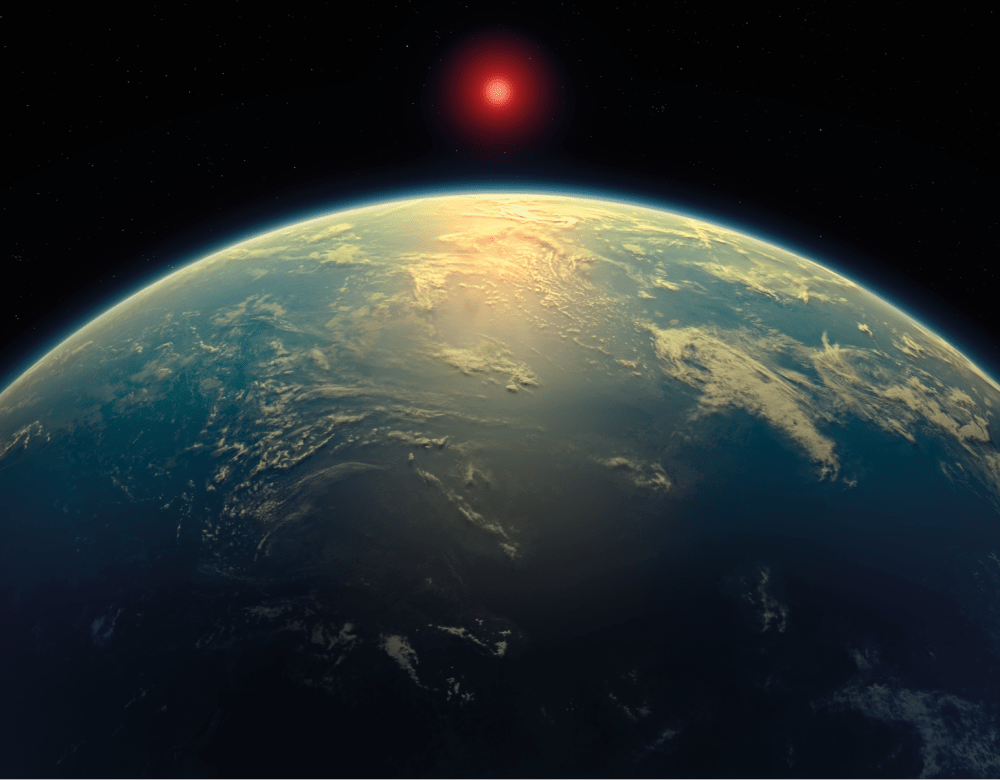
Located 124 light-years from Earth, K2-18 b, a mini-Neptune exoplanet, reignited hopes of finding extraterrestrial life in 2025. Observations by the James Webb Space Telescope suggested the possible presence of methyl sulphide — a molecule associated with biological activity on Earth. Yet these findings remain tentative: the signal is still statistically uncertain and could arise from non-biological chemical processes in a hydrogen-rich atmosphere. Although K2-18 b appears to have a complex atmosphere, there is currently no confirmed evidence of life.
Is the search for life overshadowing genuine discoveries?
The fascination with exoplanets often stems from the hope of finding extraterrestrial life — a prospect that strongly shapes the funding of space missions. Yet the quest for exoplanets is about far more than hunting for biosignatures. Some of the most remarkable discoveries are worlds unlike anything in our Solar System: super-Earths, mini-Neptunes or ocean planets such as K2‑18 b.
These exotic planets challenge classical models of planetary formation, which have long been based on a single example: our own Solar System. By comparing masses, radii, atmospheres and orbits, scientists test theories of accretion — how planets form through the gradual accumulation of rock or gas — as well as models of planetary internal structure, including layering. Such studies reveal the turbulent history of planetary systems, shaped by collisions, gravitational interactions and the migration of giant planets relative to their stars.
The study of exoplanets also helps us understand our immediate cosmic environment: recent insights into mini-Neptunes have led to a reinterpretation of the internal structures and thermal evolution of Uranus and Neptune, which were previously poorly understood.
In short, while the search for life remains a central question, planetary science is equally vital for understanding how planets form and evolve — and for situating Earth within the broader history of the Universe.